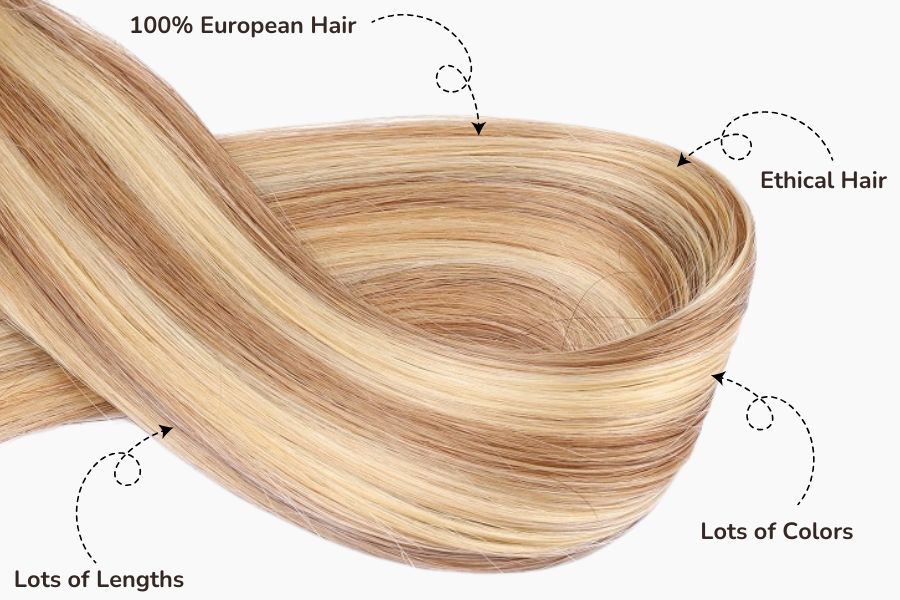
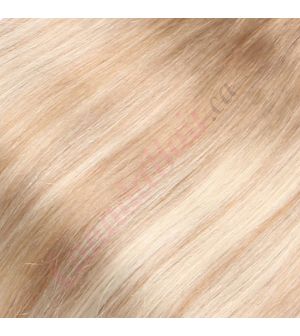
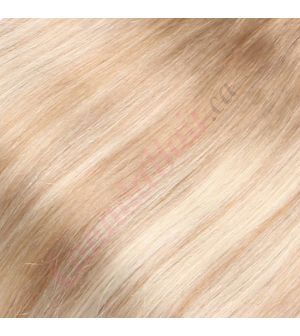
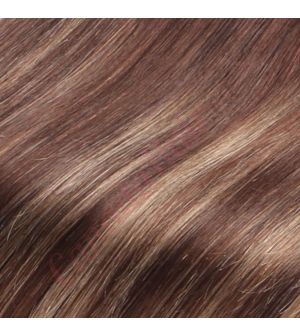
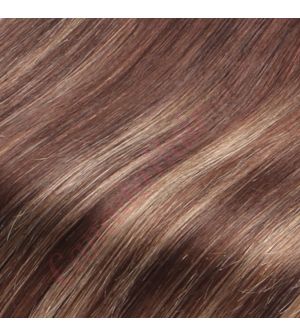
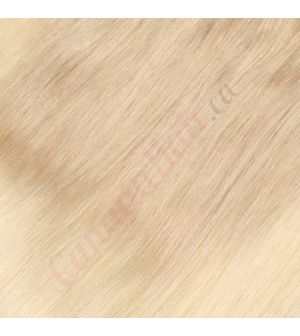
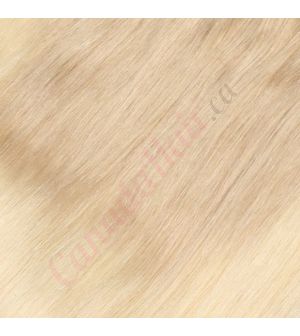
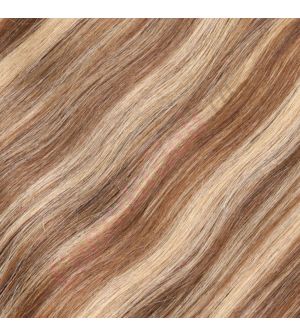
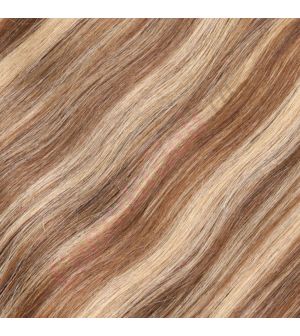
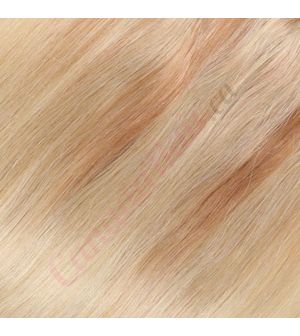
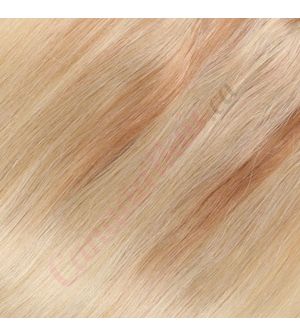
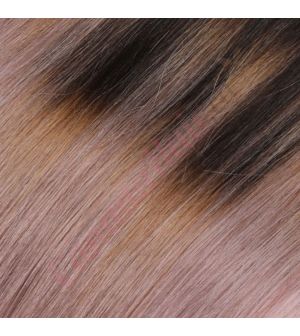
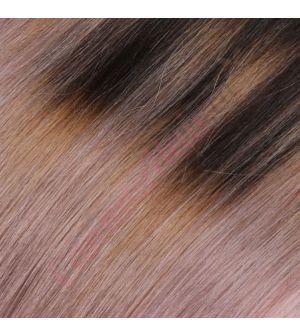
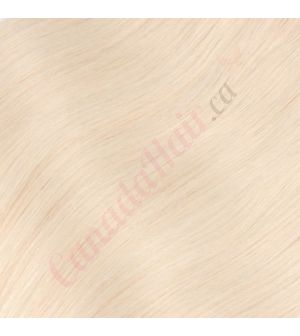
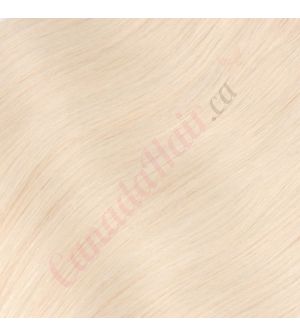
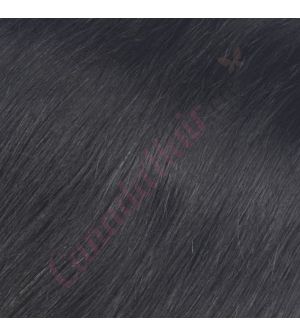
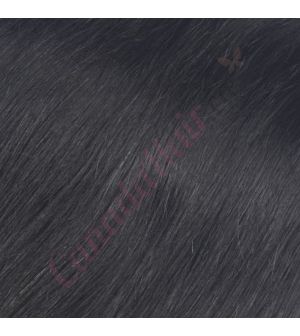
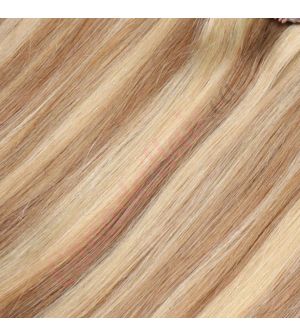
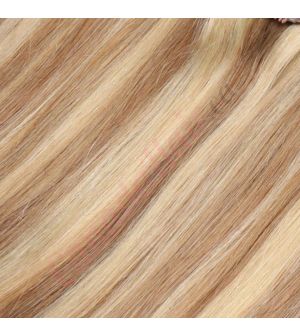
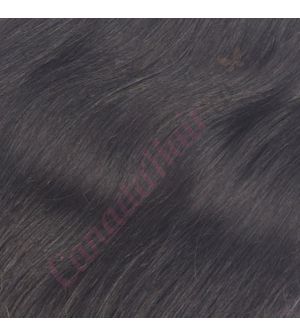
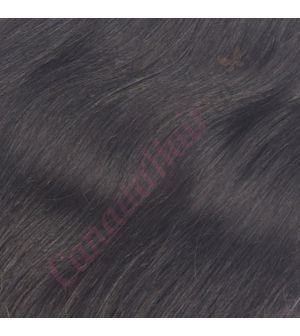
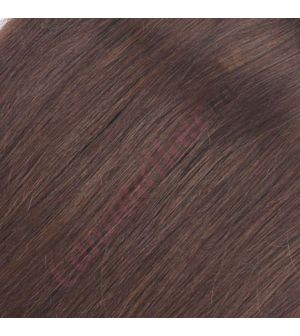
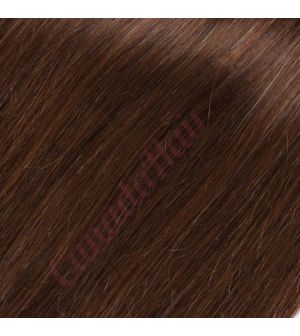
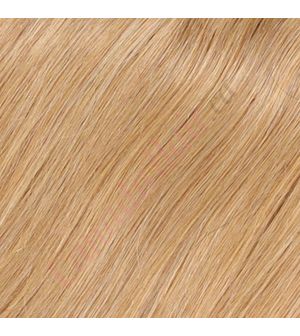
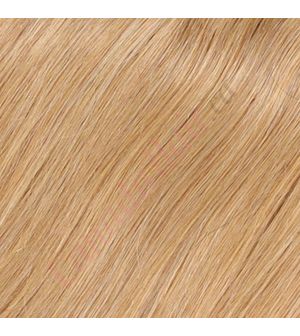
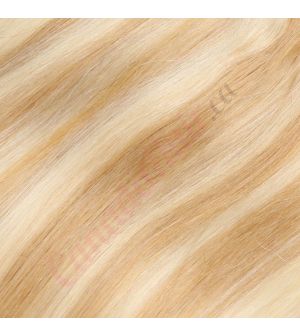
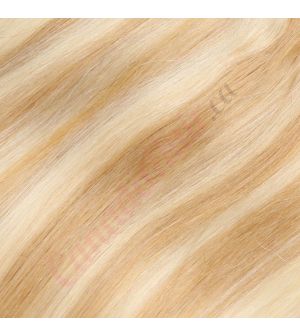
Our extensions are made from 100% European Slavic hair, celebrated for its unparalleled softness, natural shine, and durability. Ethically sourced, they maintain cuticle alignment to ensure a tangle-free, long-lasting product.
With proper care, our European hair extensions can last a year or more, making them an excellent investment for those seeking premium quality.
Yes, we take pride in sourcing our hair ethically, ensuring fair practices at every stage of production while maintaining the highest quality standards.
Yes, you can dye these extensions, but it is not recommended to preserve their natural softness, shine, and durability. Styling with hot tools is perfectly fine.
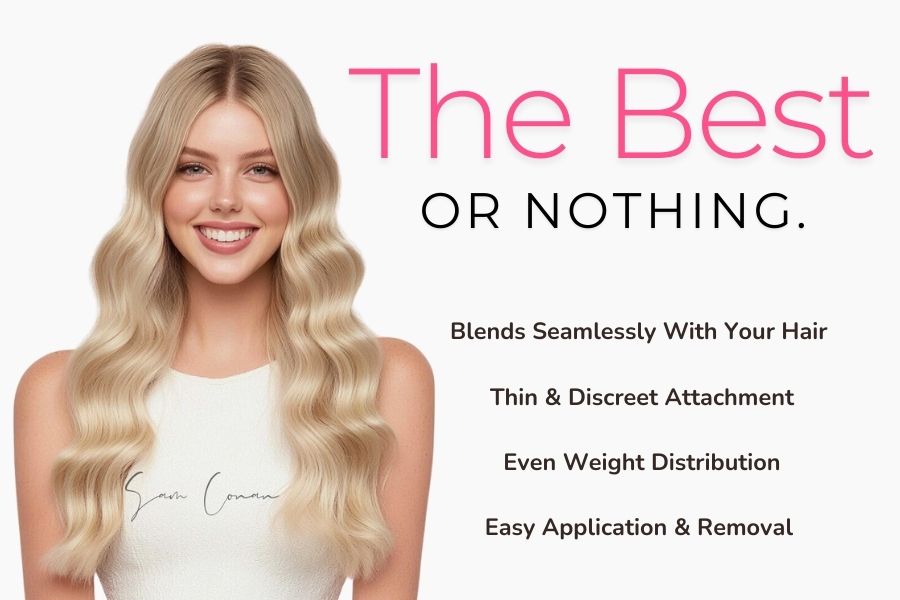
Yes, our thin, discreet attachment points ensure that the extensions blend seamlessly with your natural hair for a completely undetectable look.
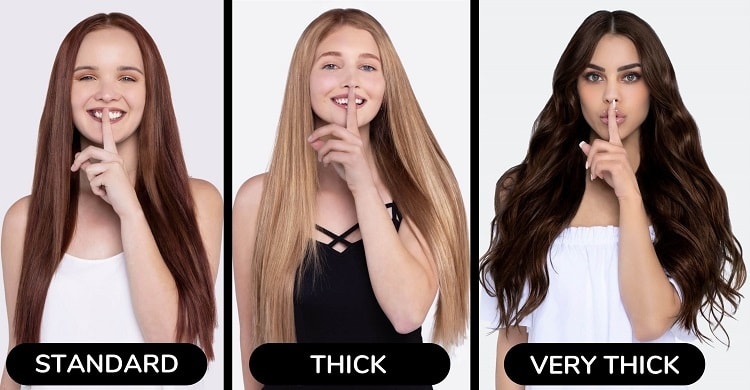
Absolutely! The lightweight and natural properties of European hair make it ideal for those with thin or fine hair.
Use sulfate-free shampoos, apply conditioners sparingly, and avoid excessive heat to maximize the lifespan of your extensions. Regular maintenance is key.
Yes, our extensions are reusable! Simply replace the tapes or reapply the beads, and enjoy their unmatched quality again and again.
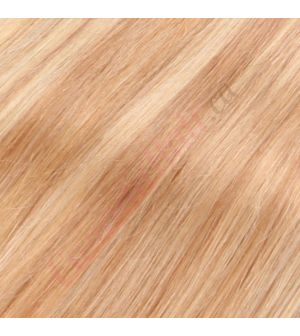
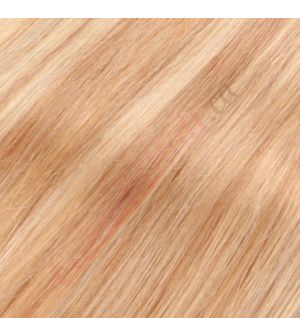
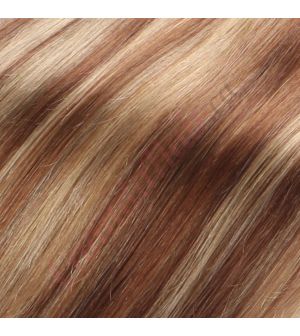
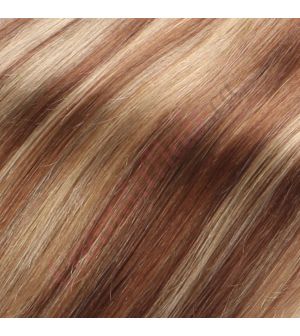
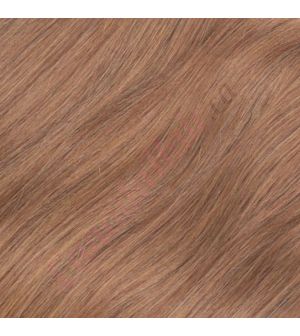
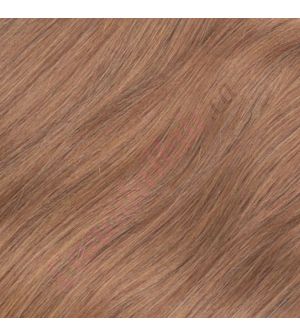
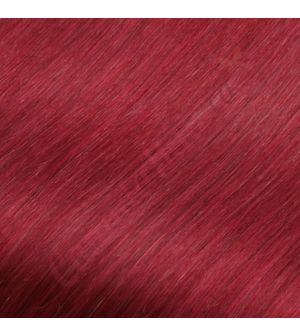
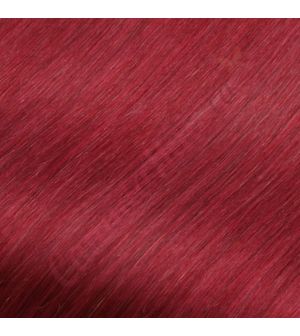
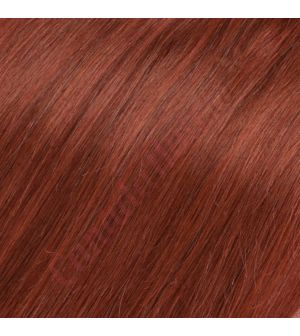
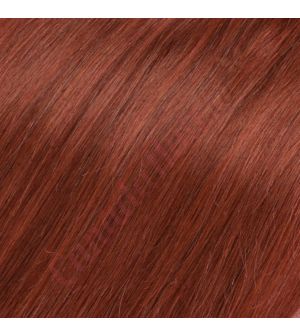
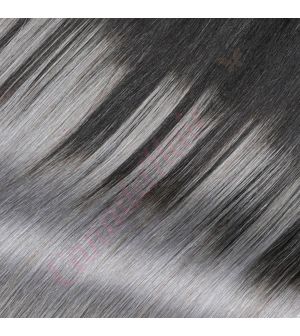
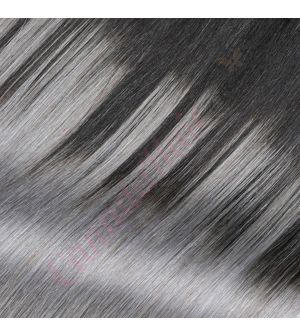
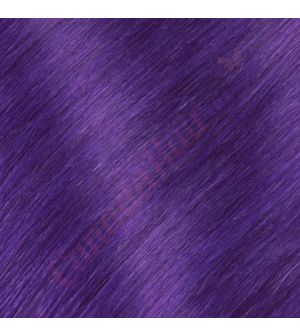
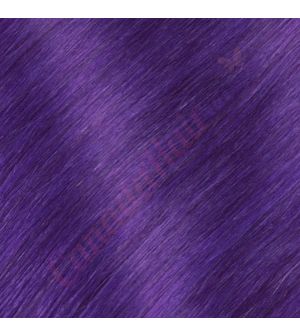
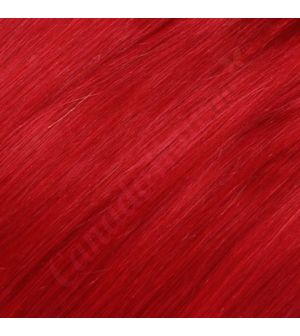
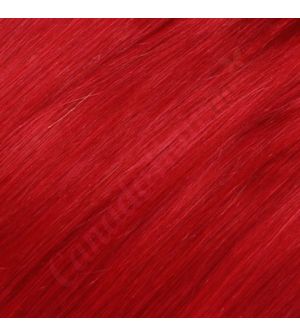
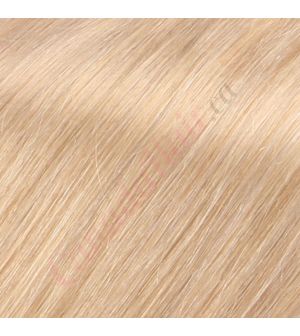
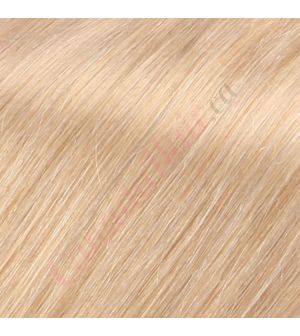
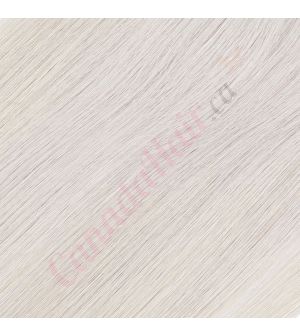
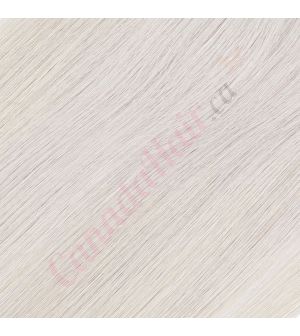
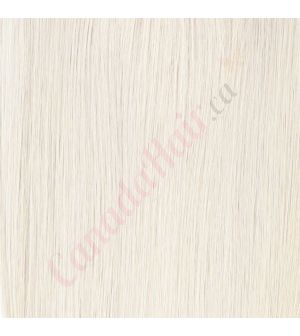
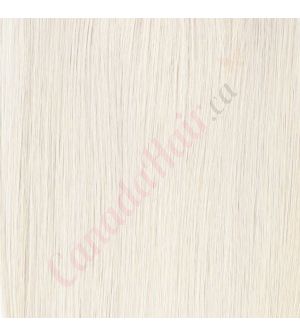
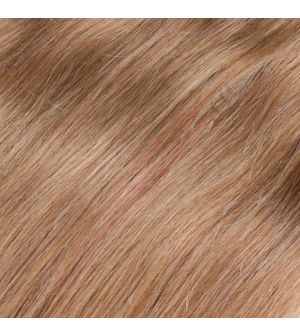
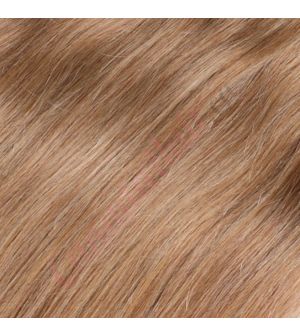
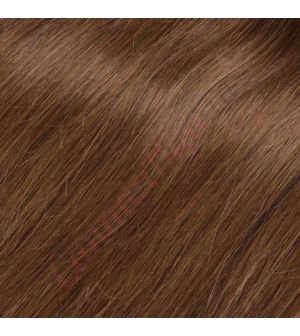
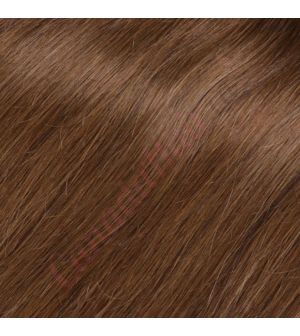
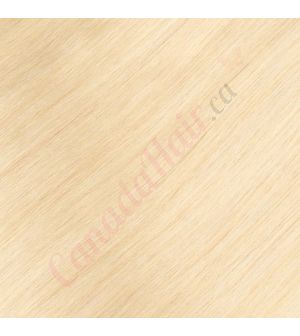
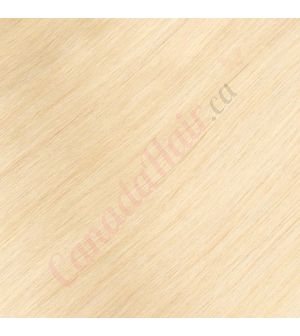
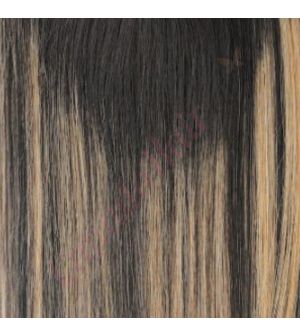
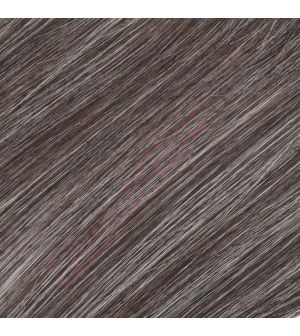
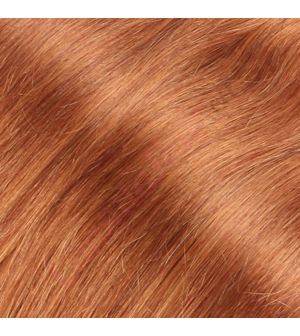
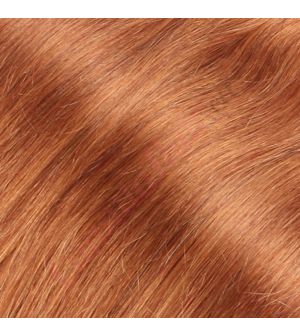
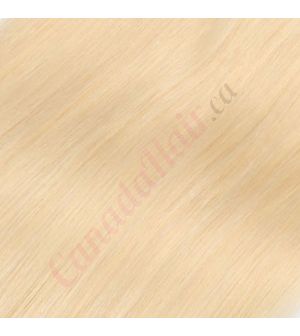
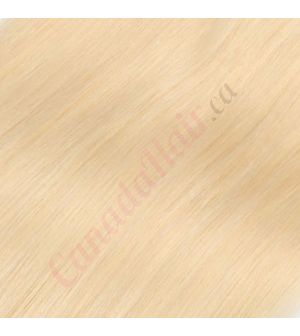
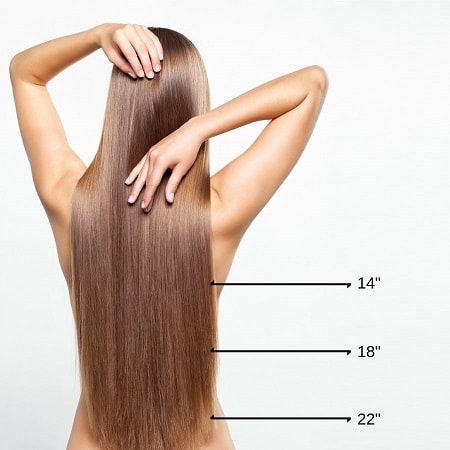
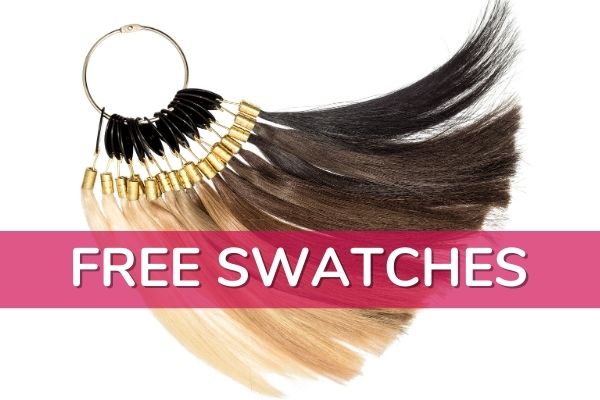
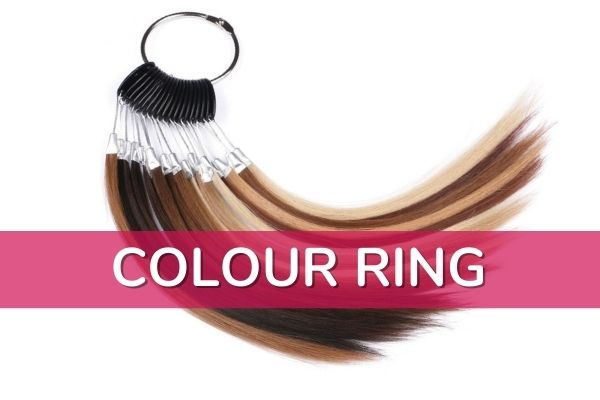
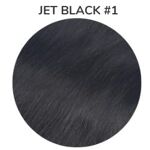
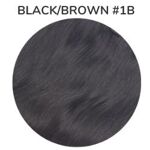
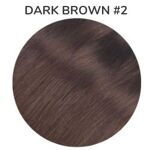
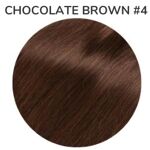
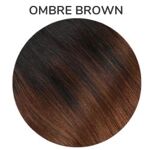
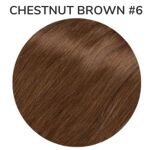
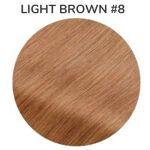
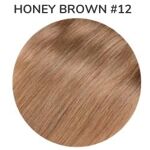
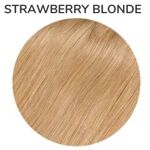
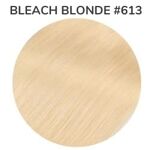
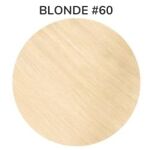
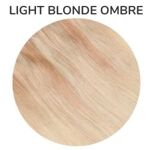
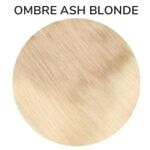
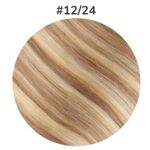
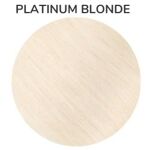
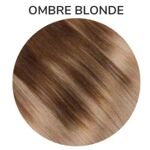
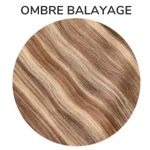
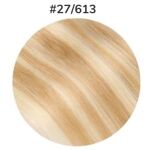
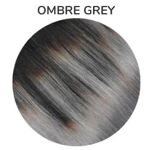
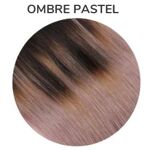
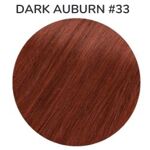
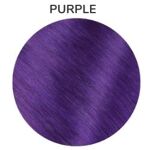
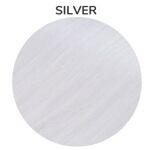
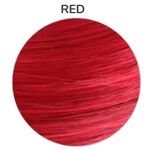
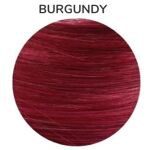
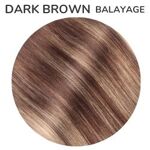
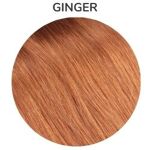
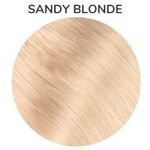
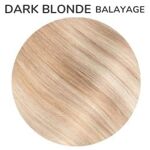
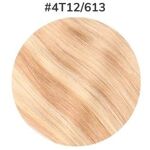
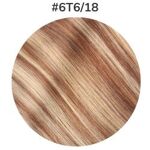
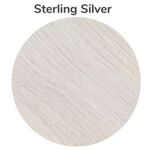
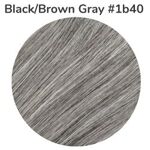
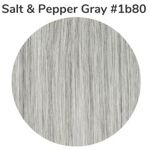
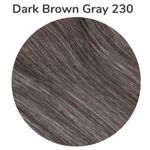
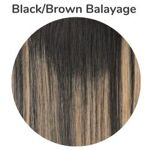
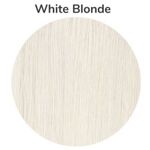
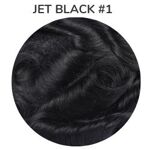
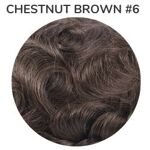
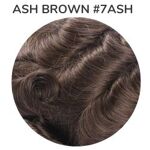
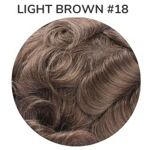
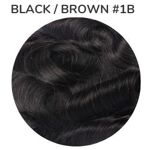
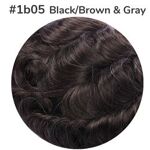
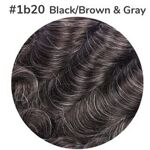
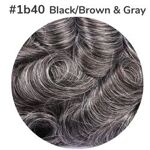
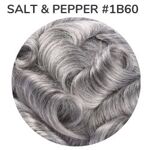
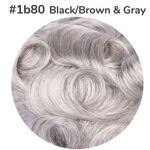
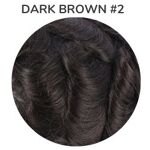
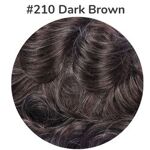
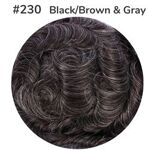
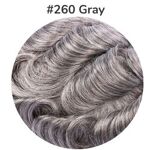
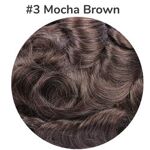
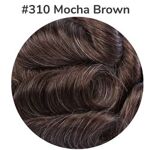
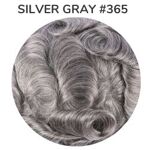
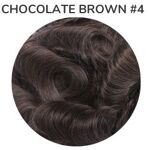
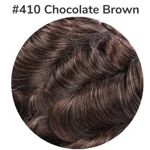
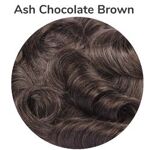
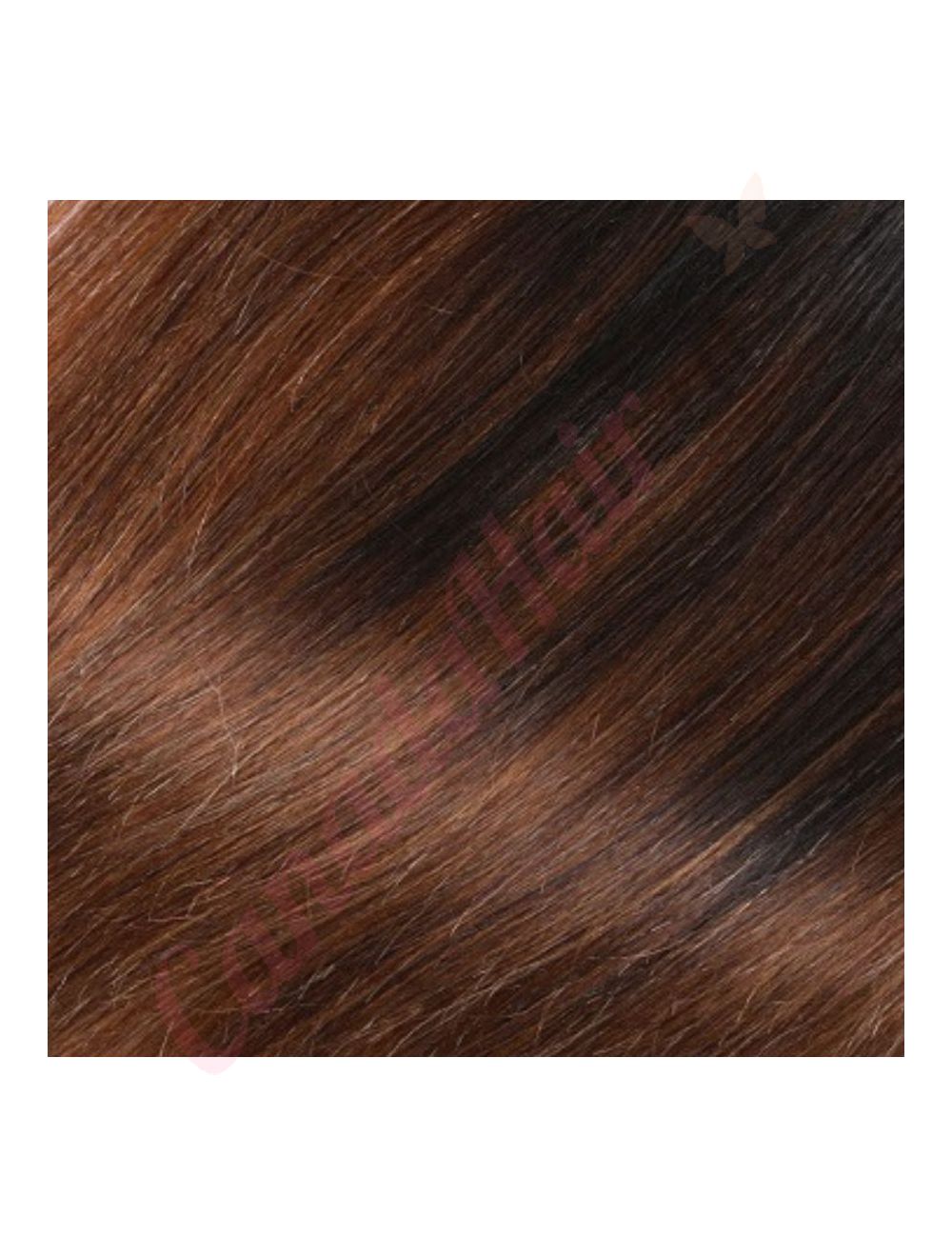
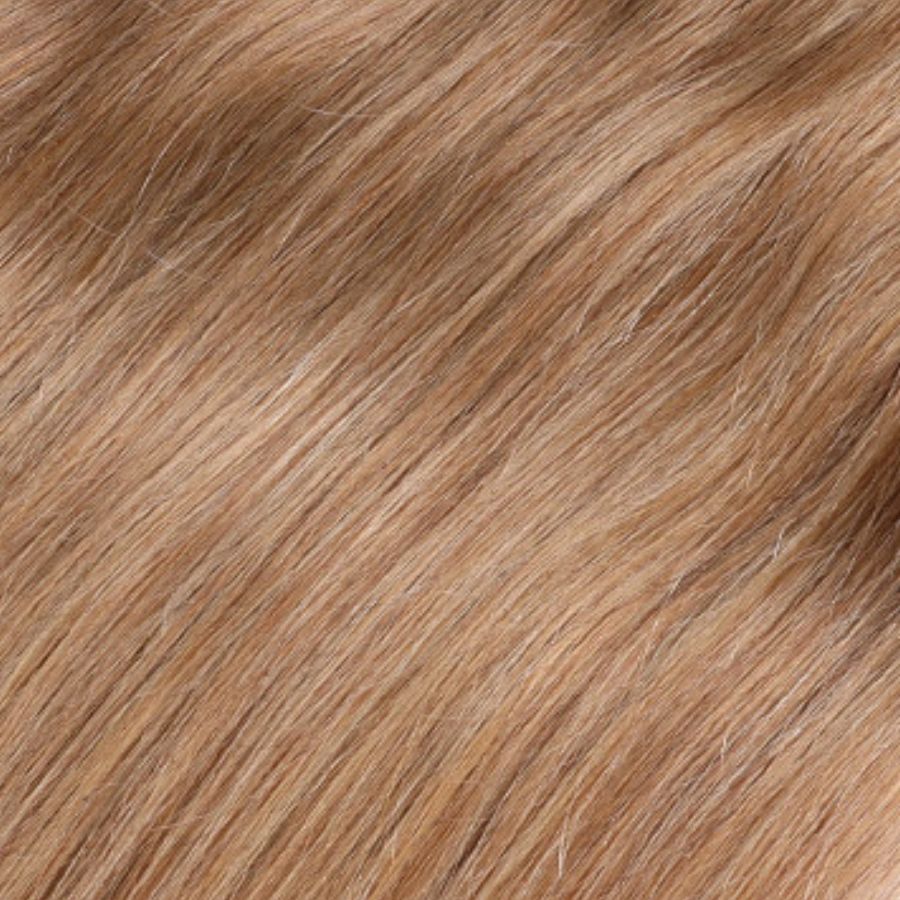
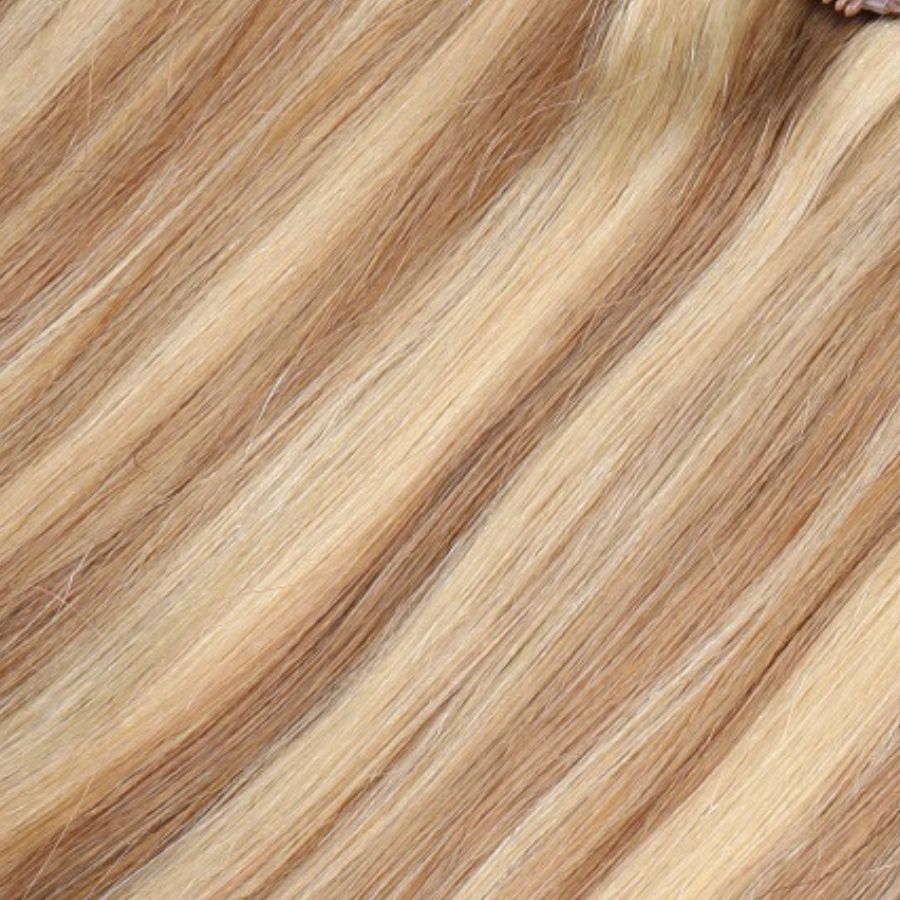
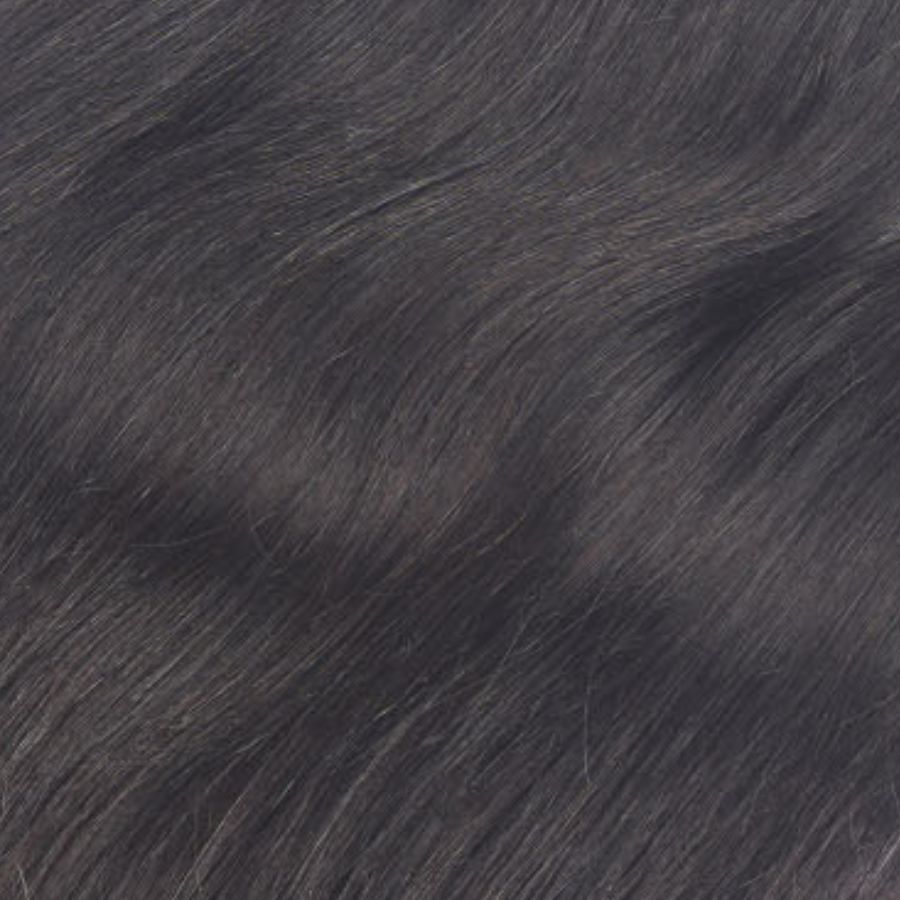
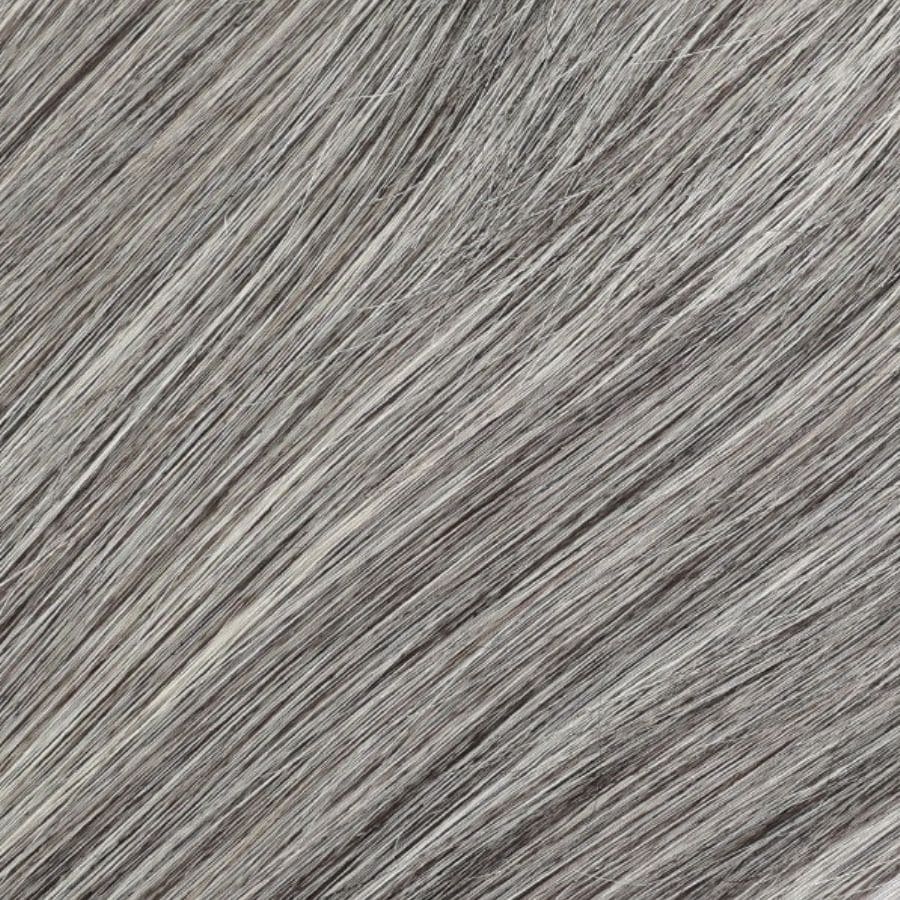
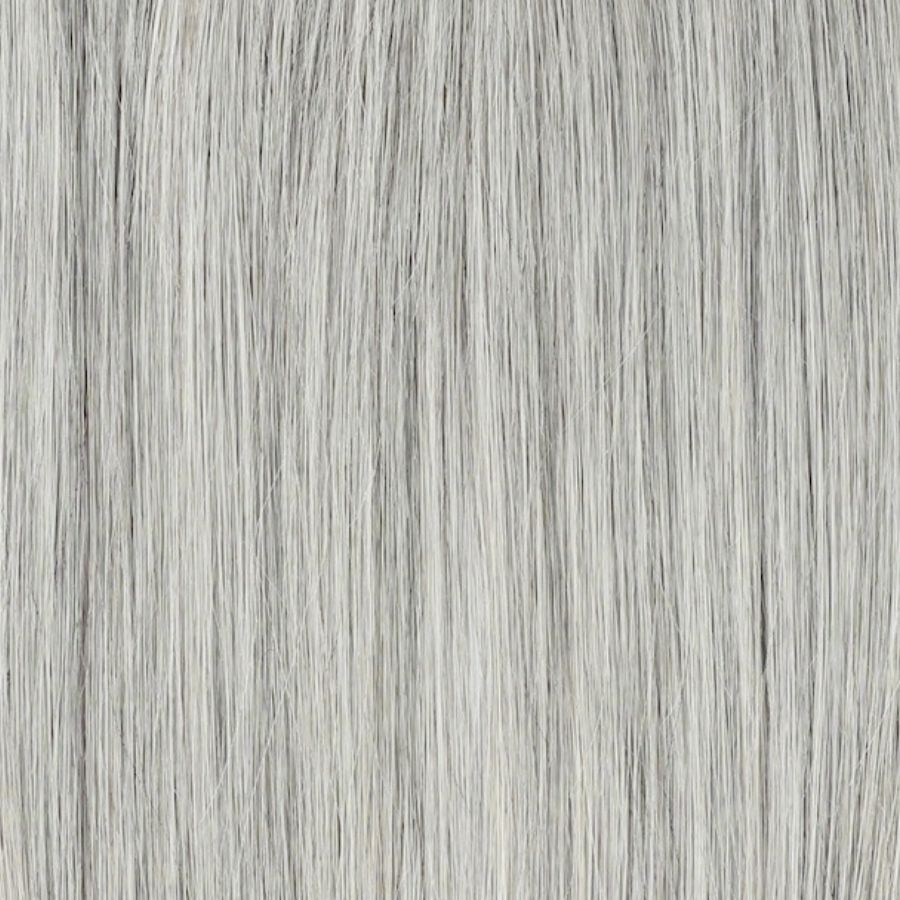
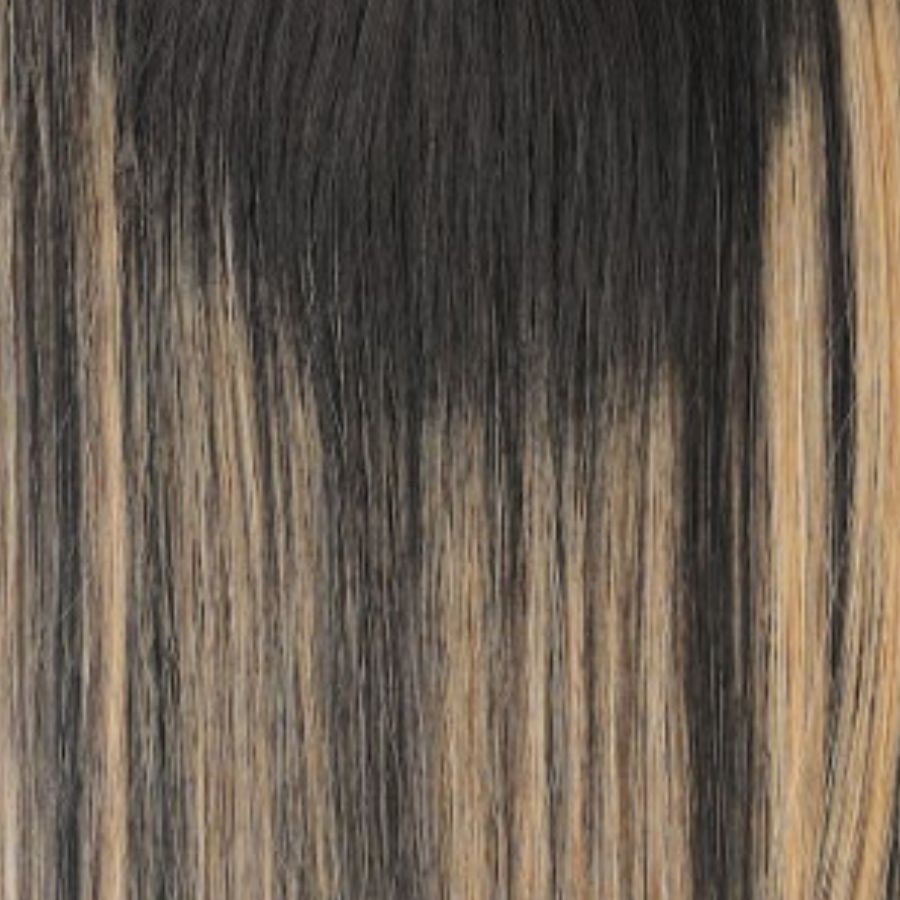
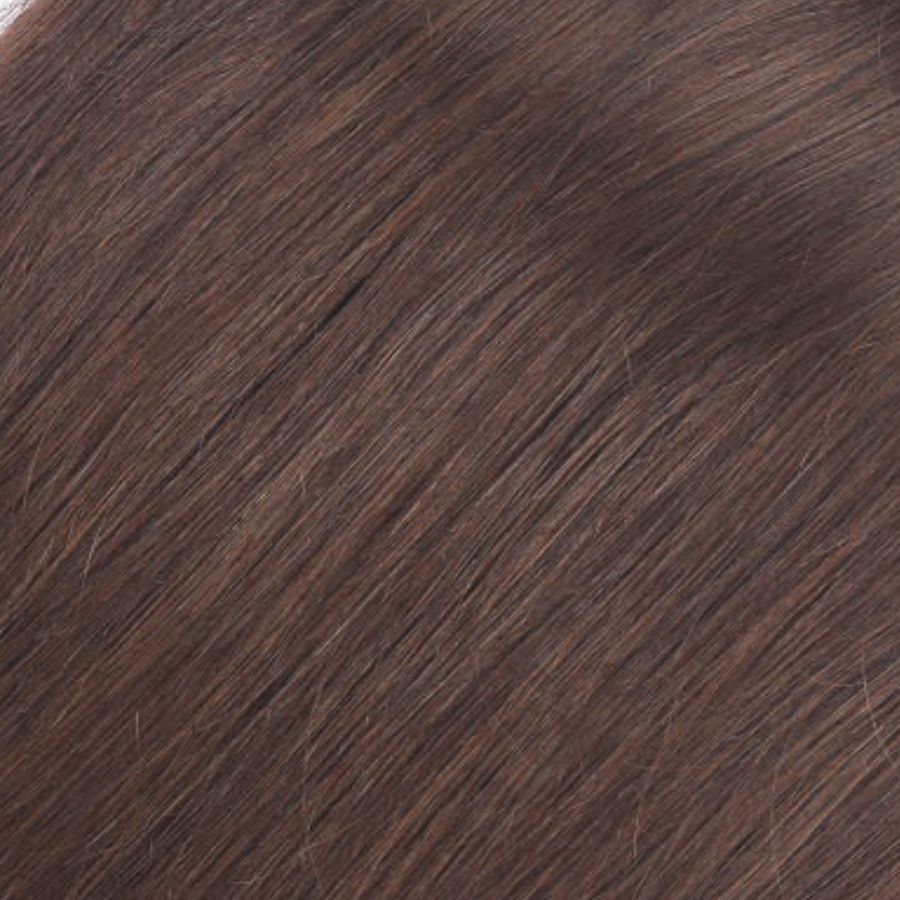
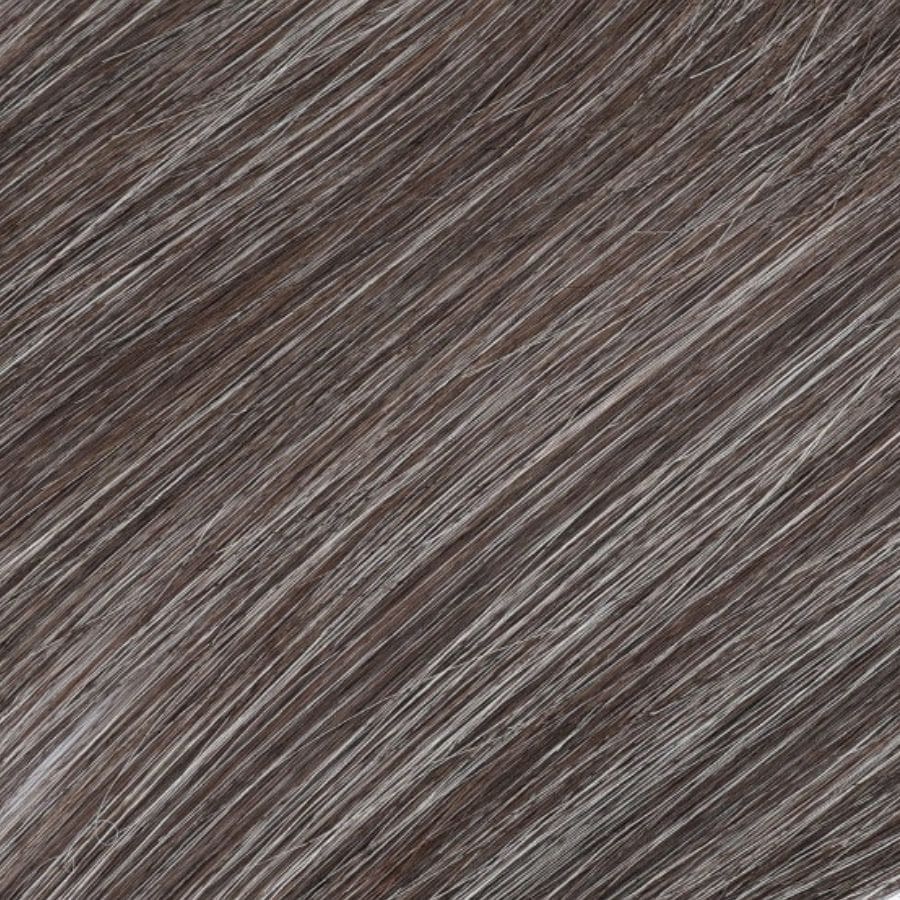
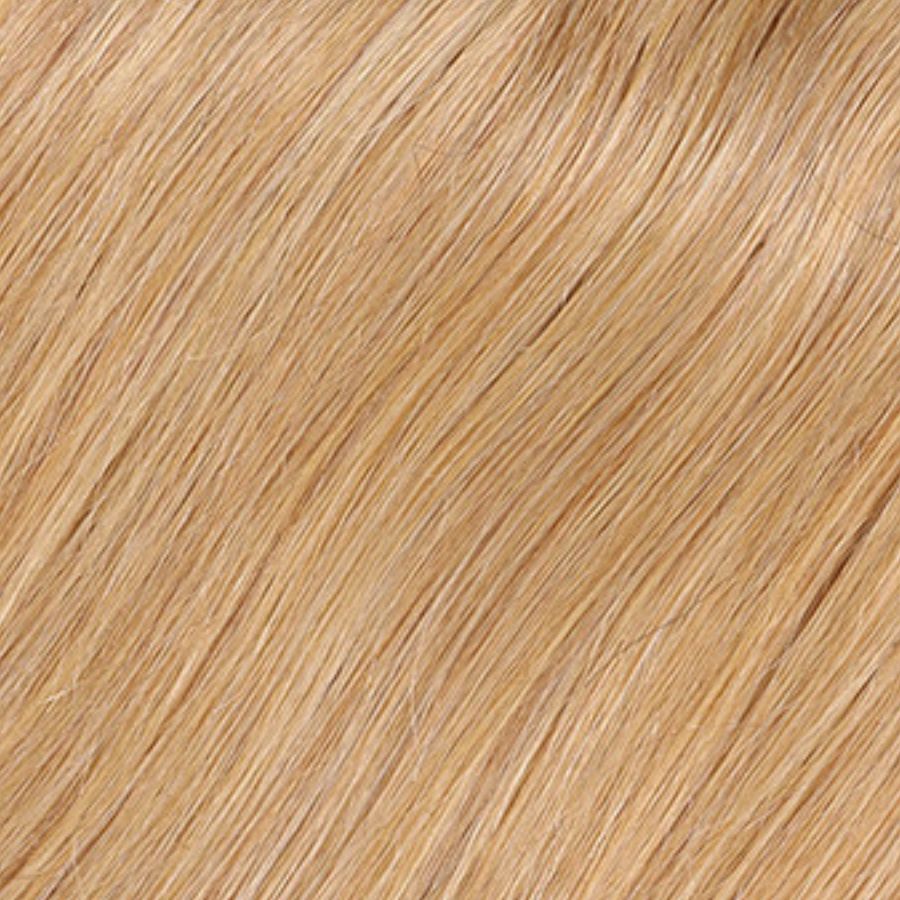
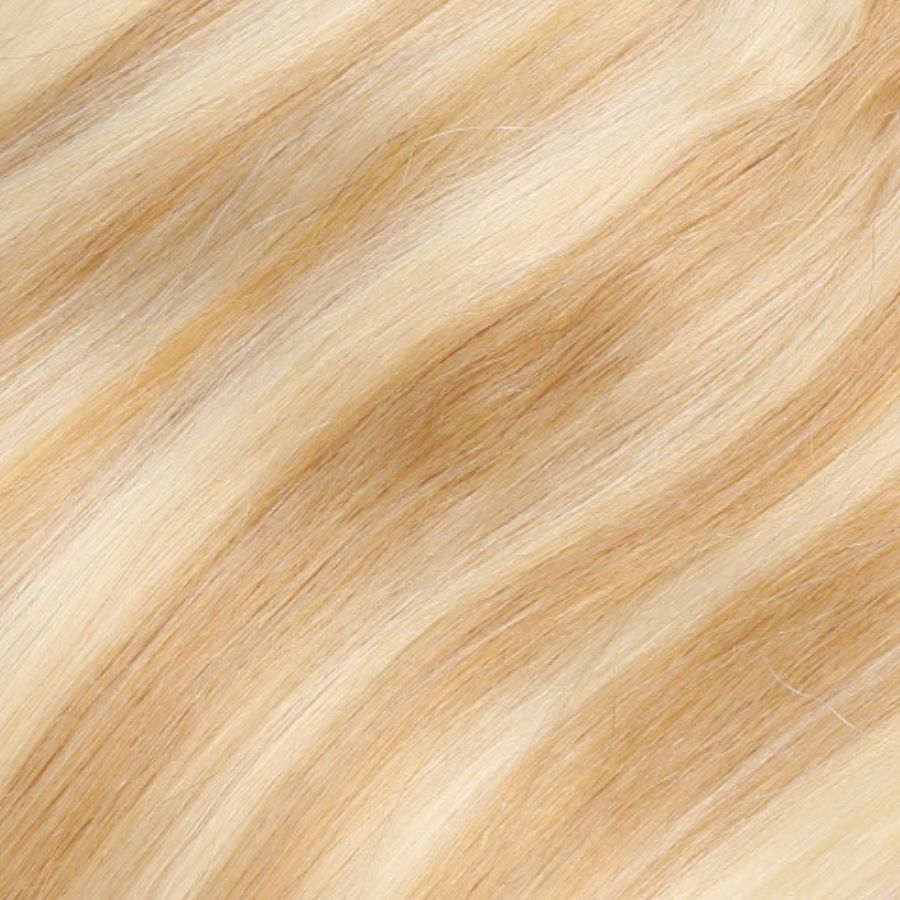
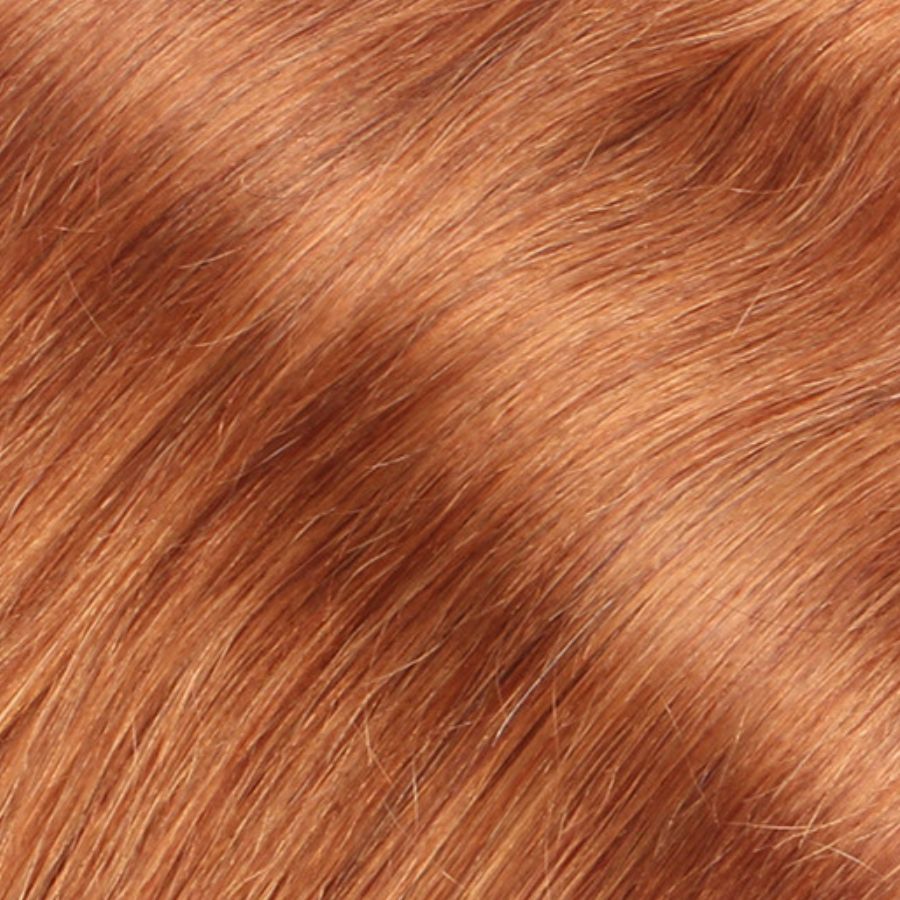
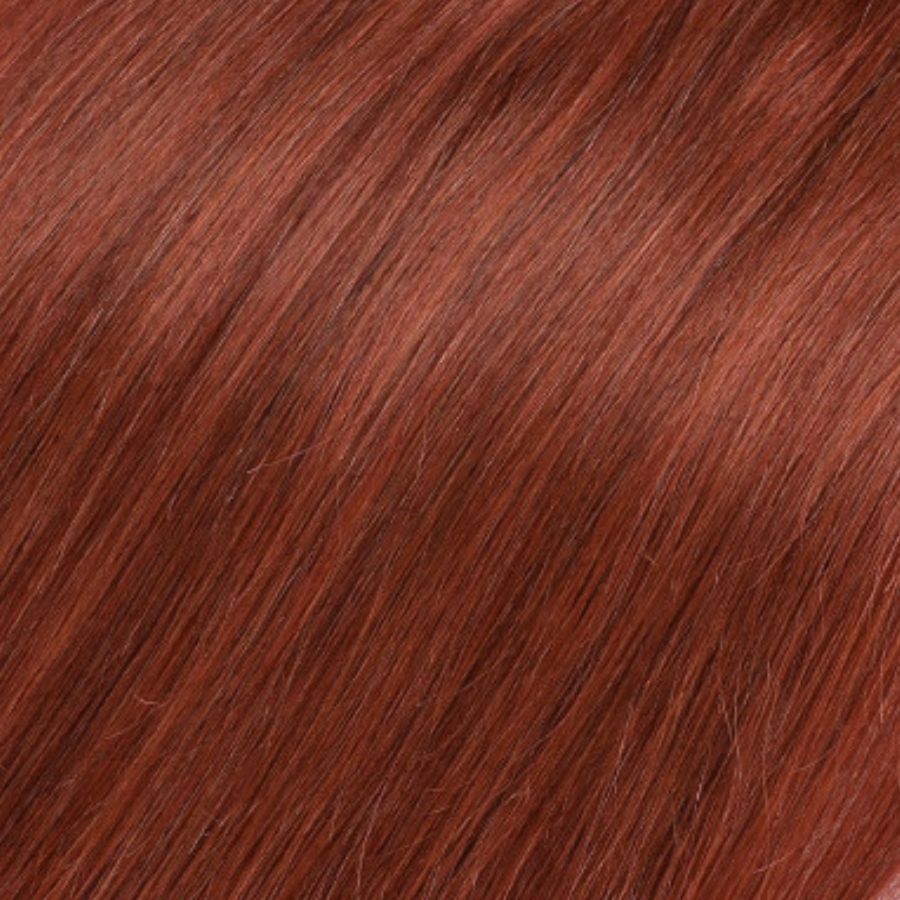
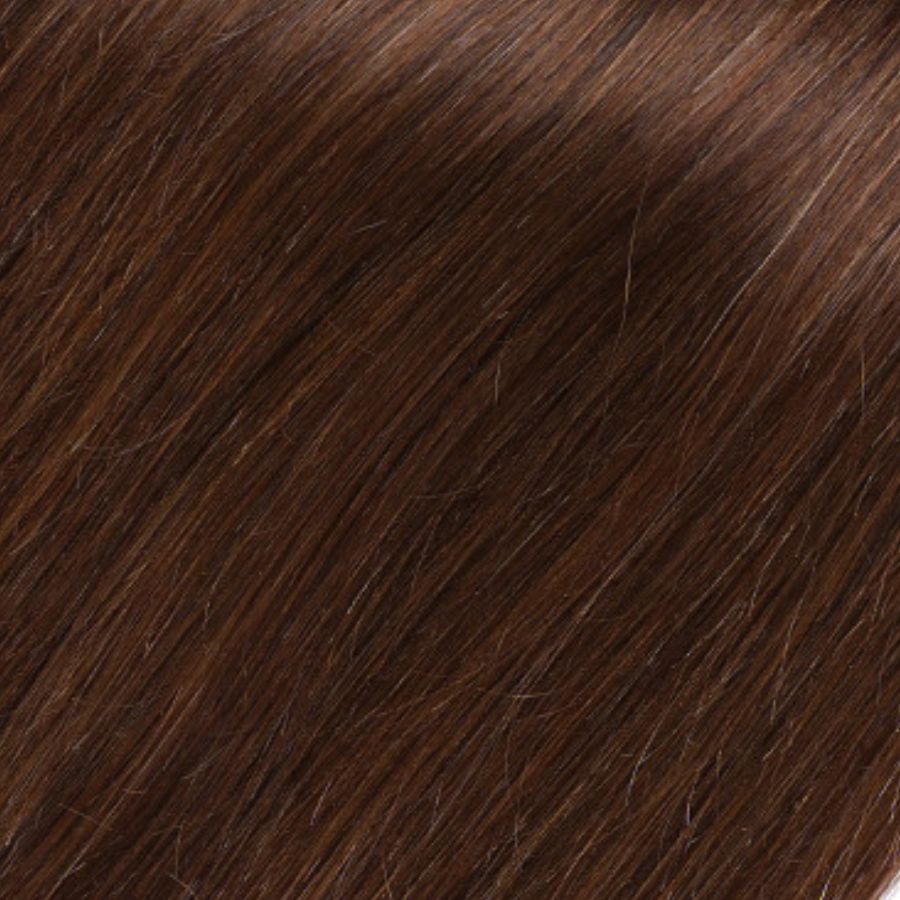
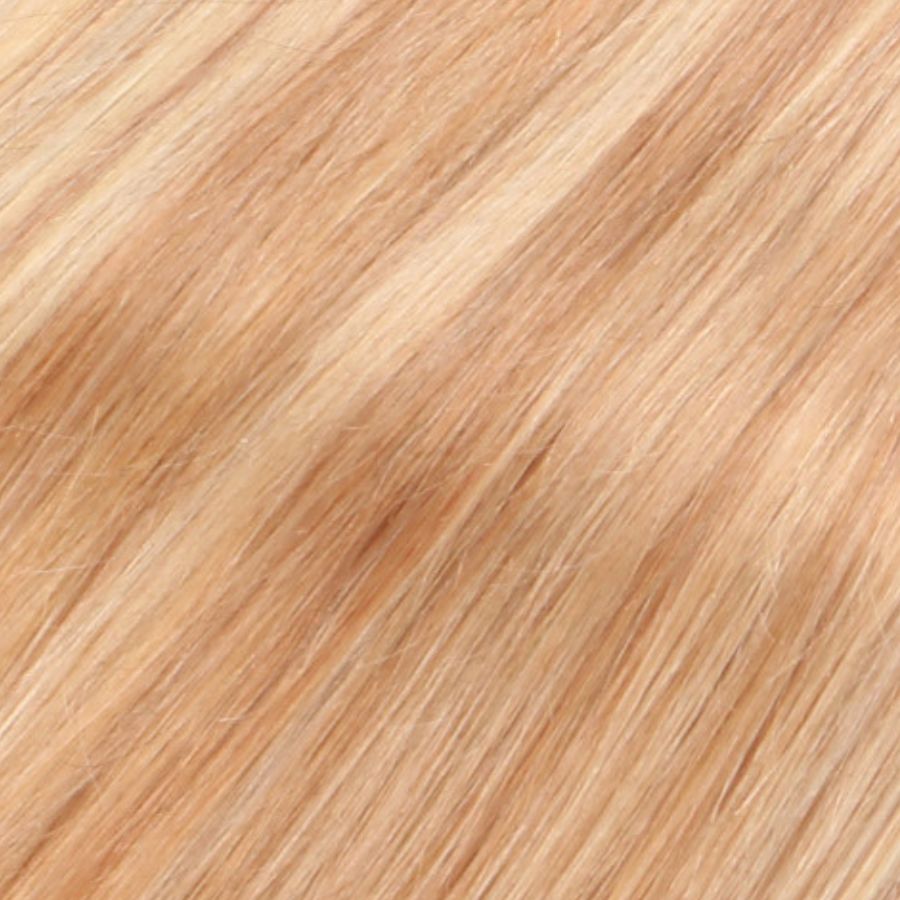
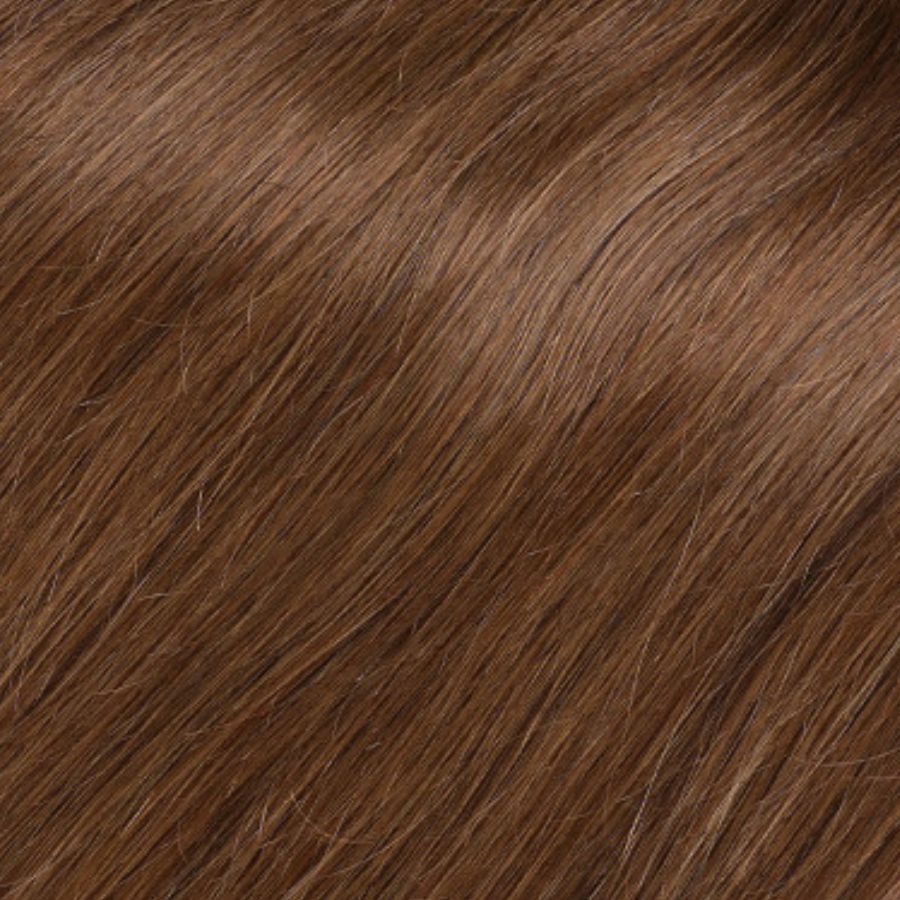
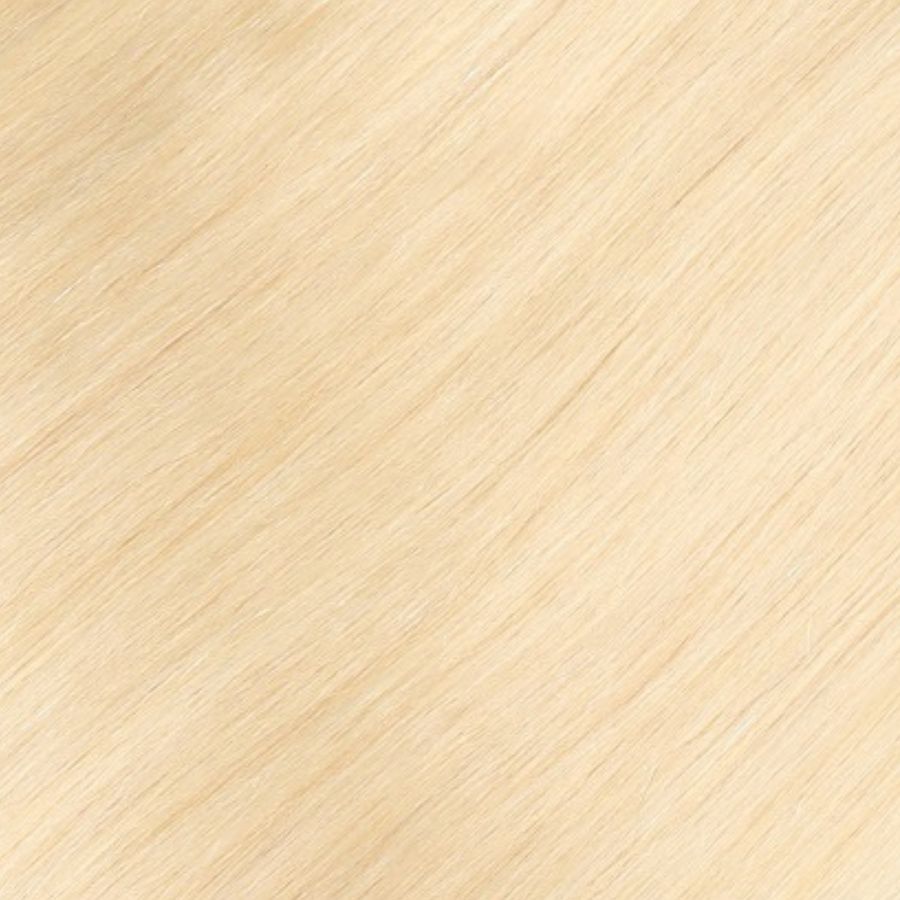
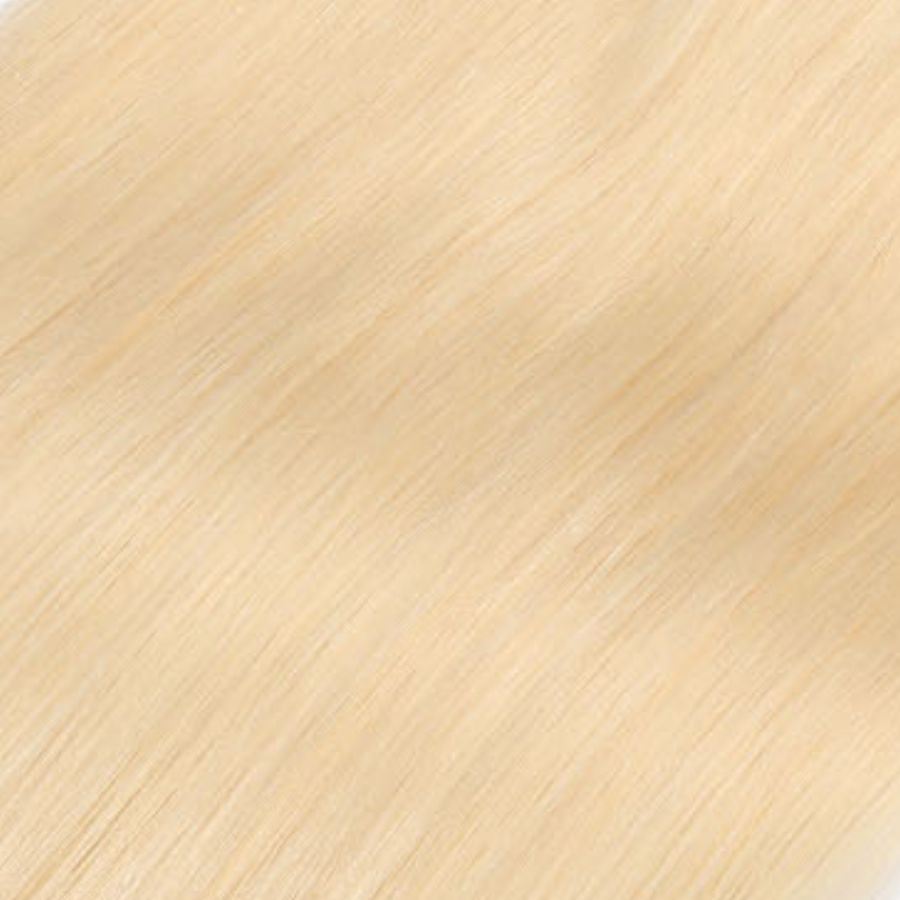
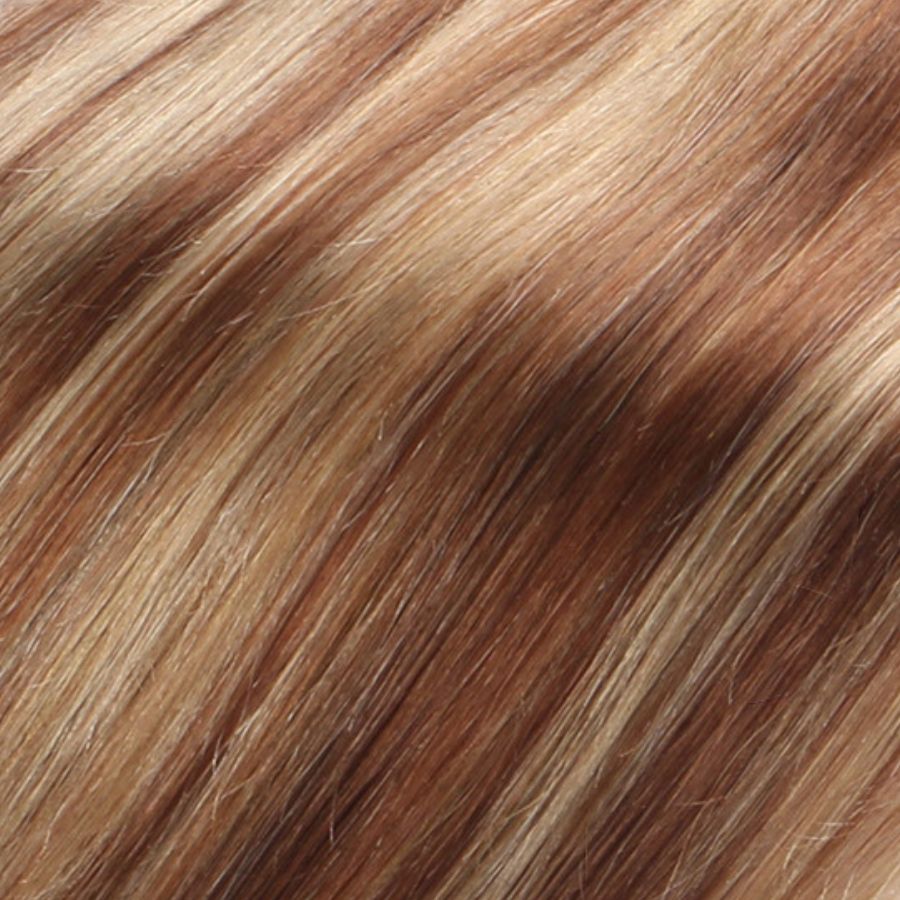
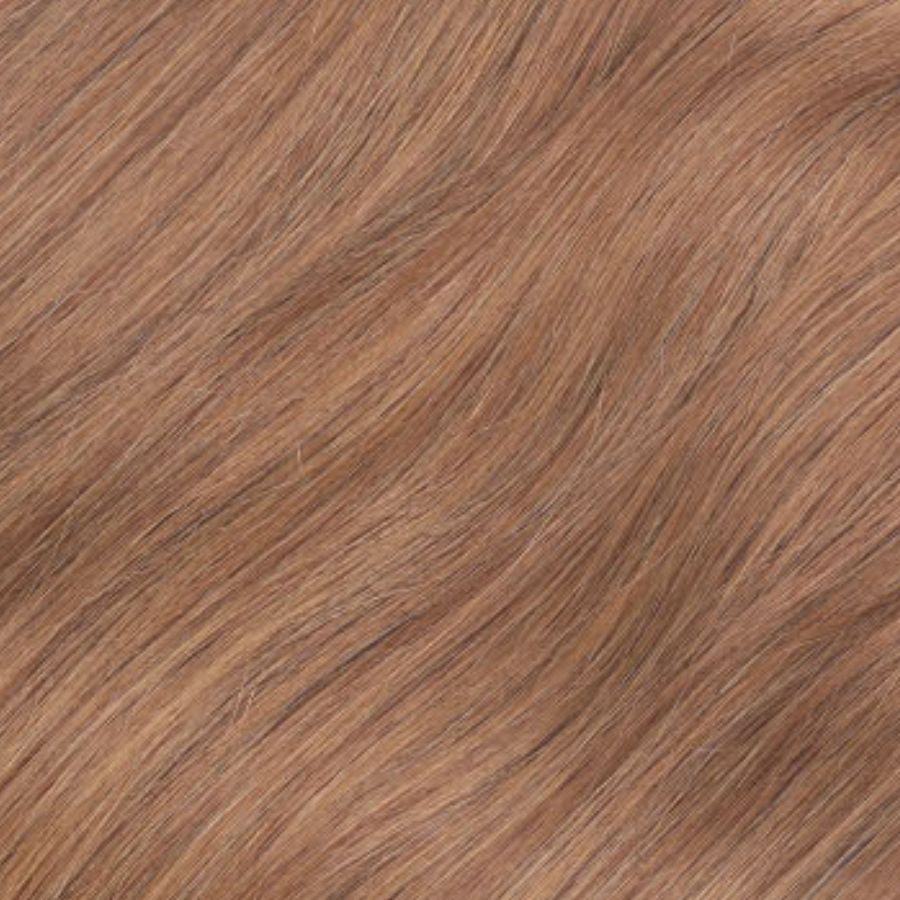
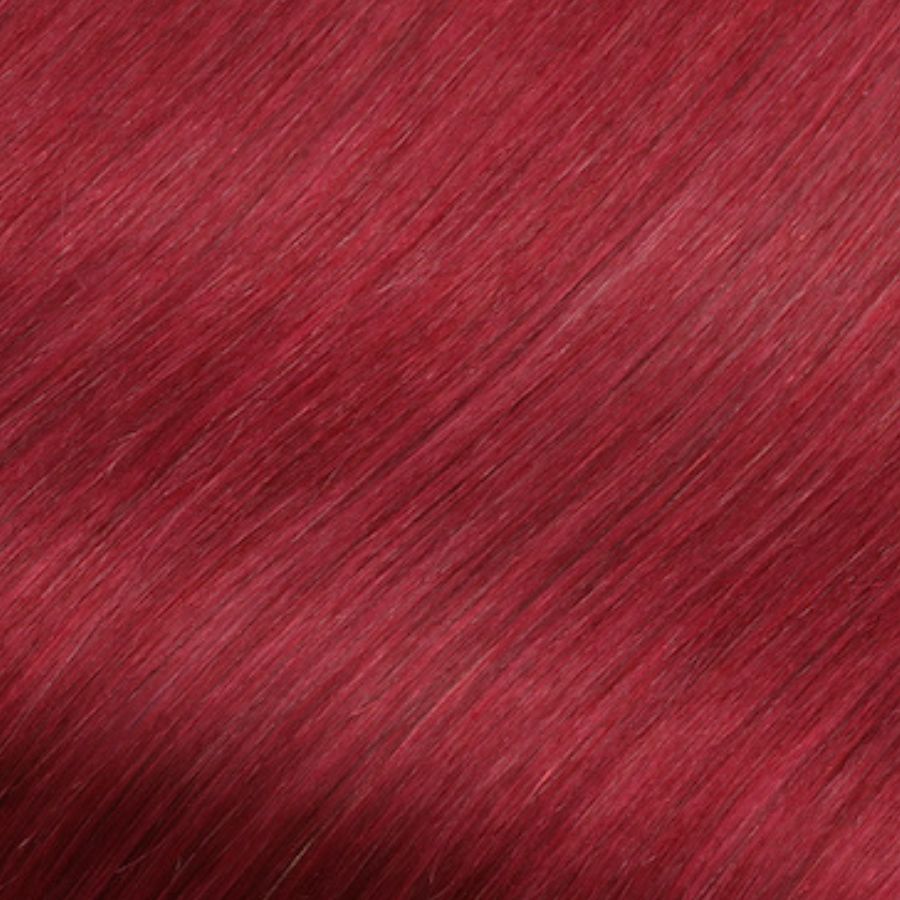
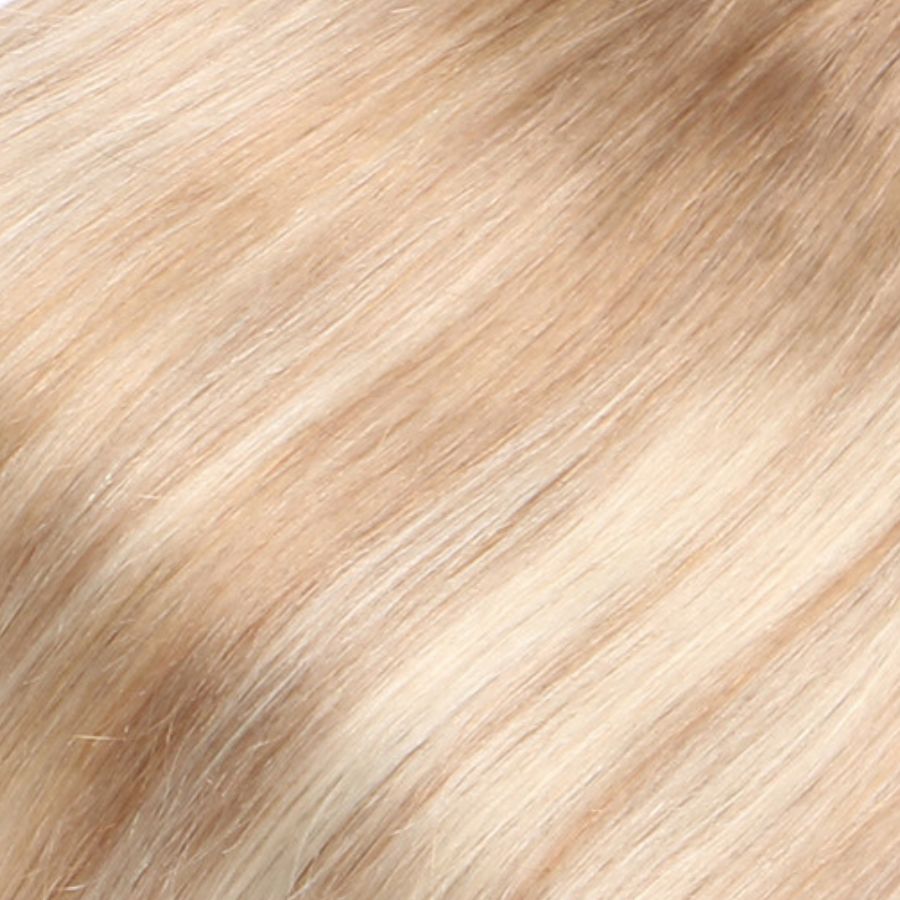
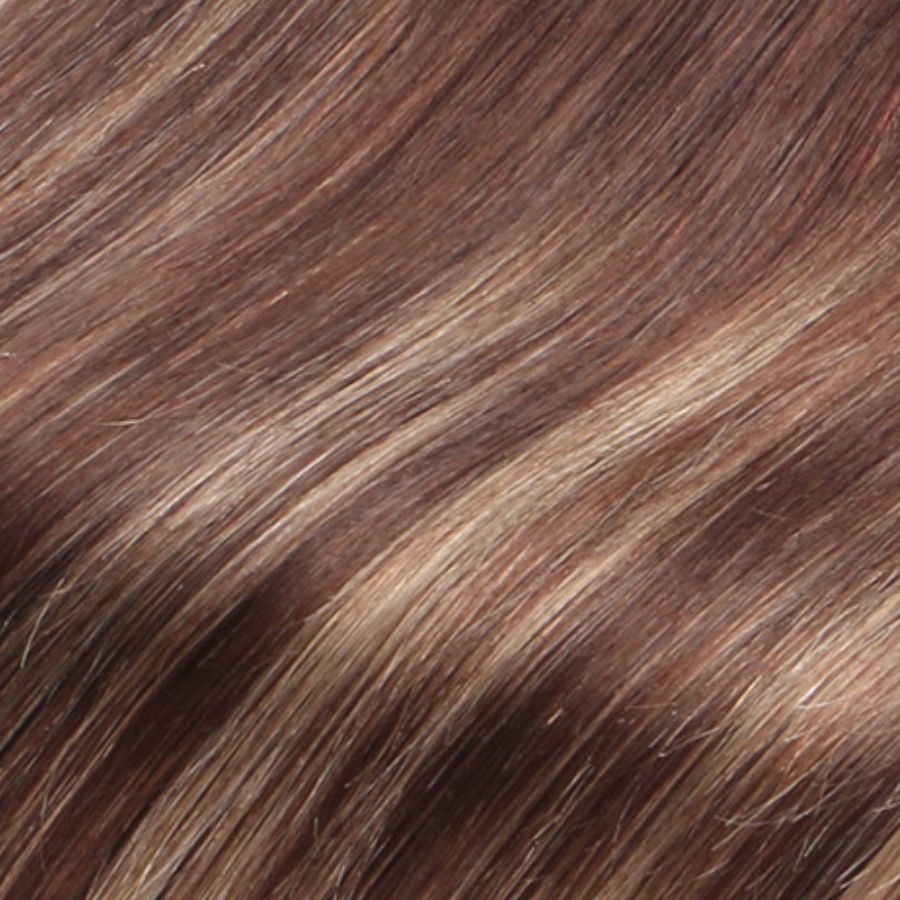
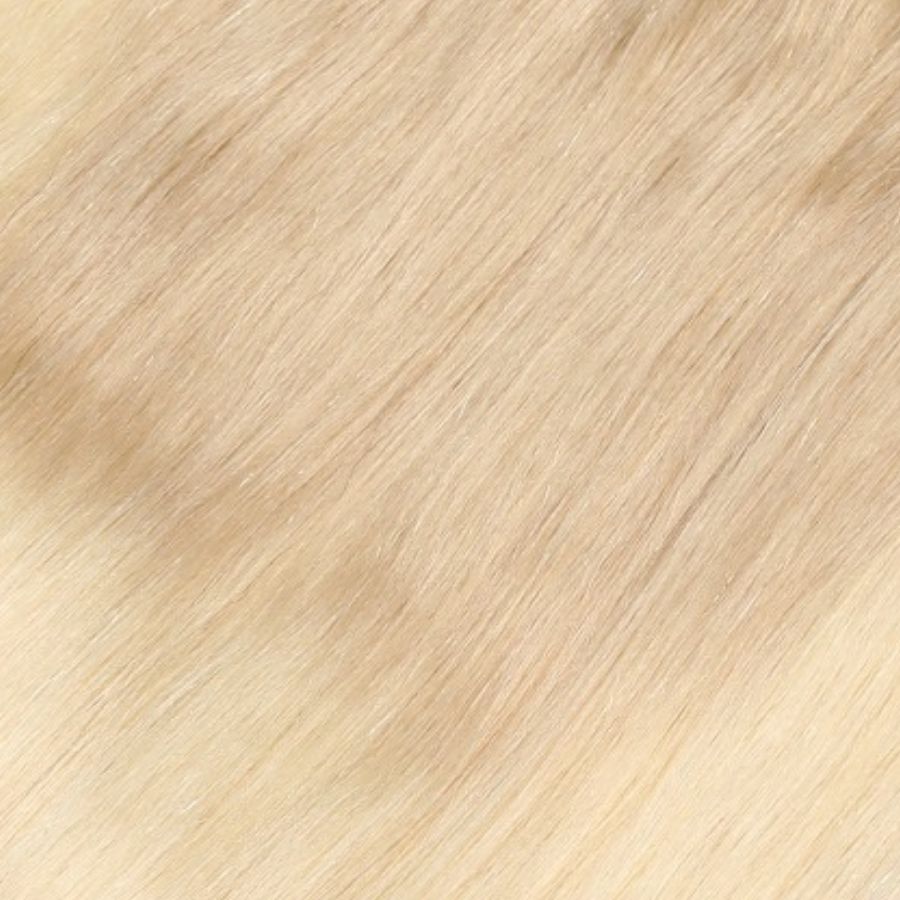
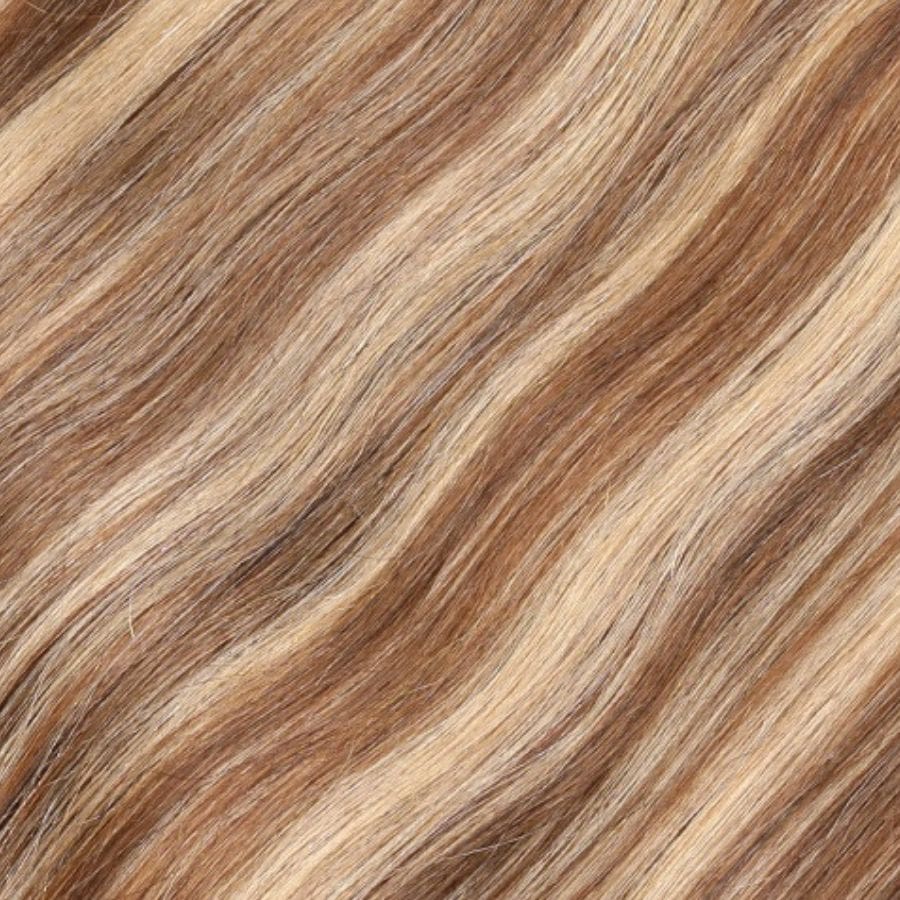
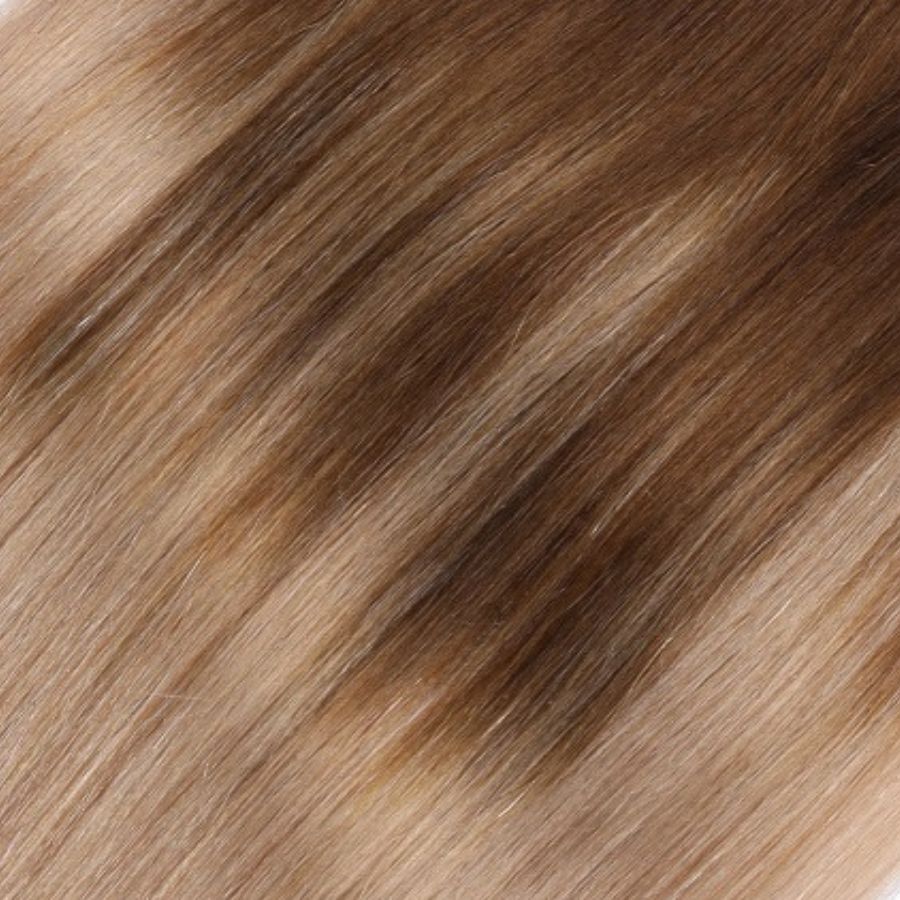
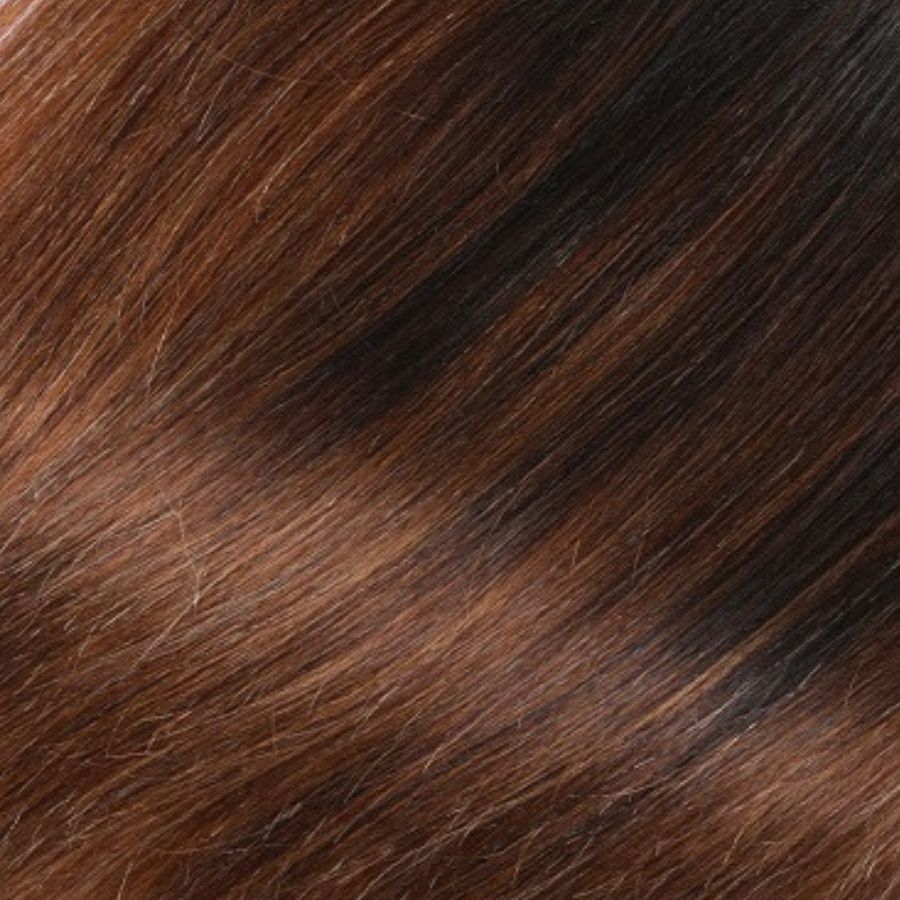
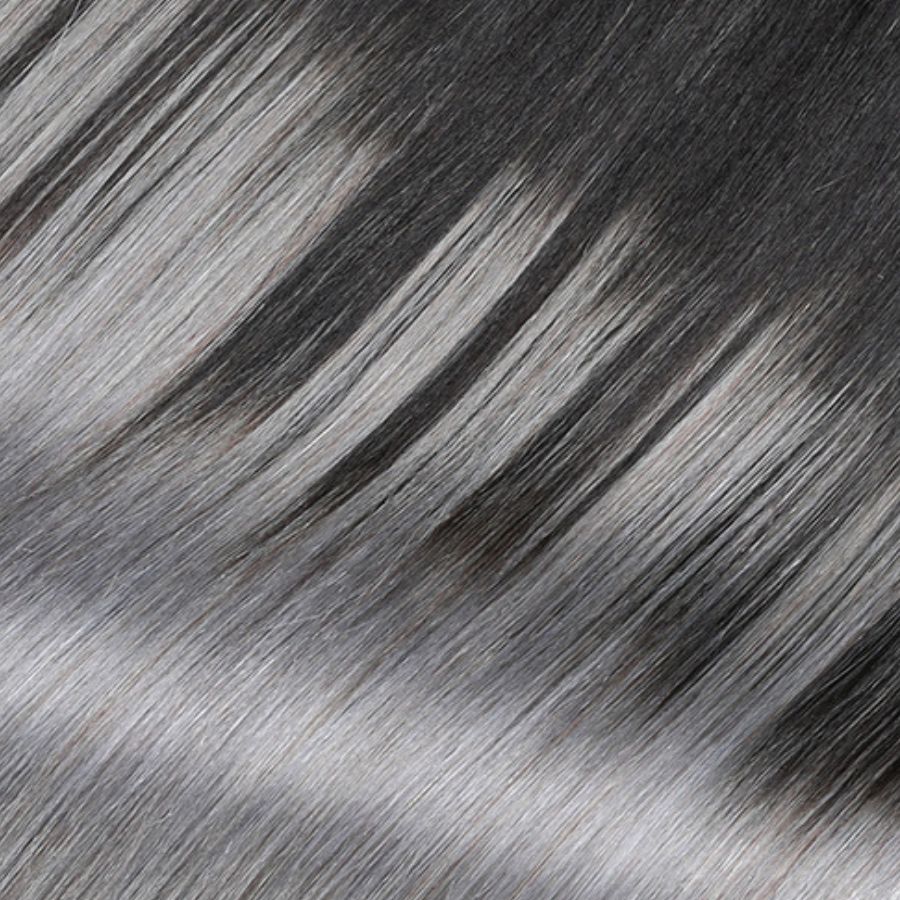
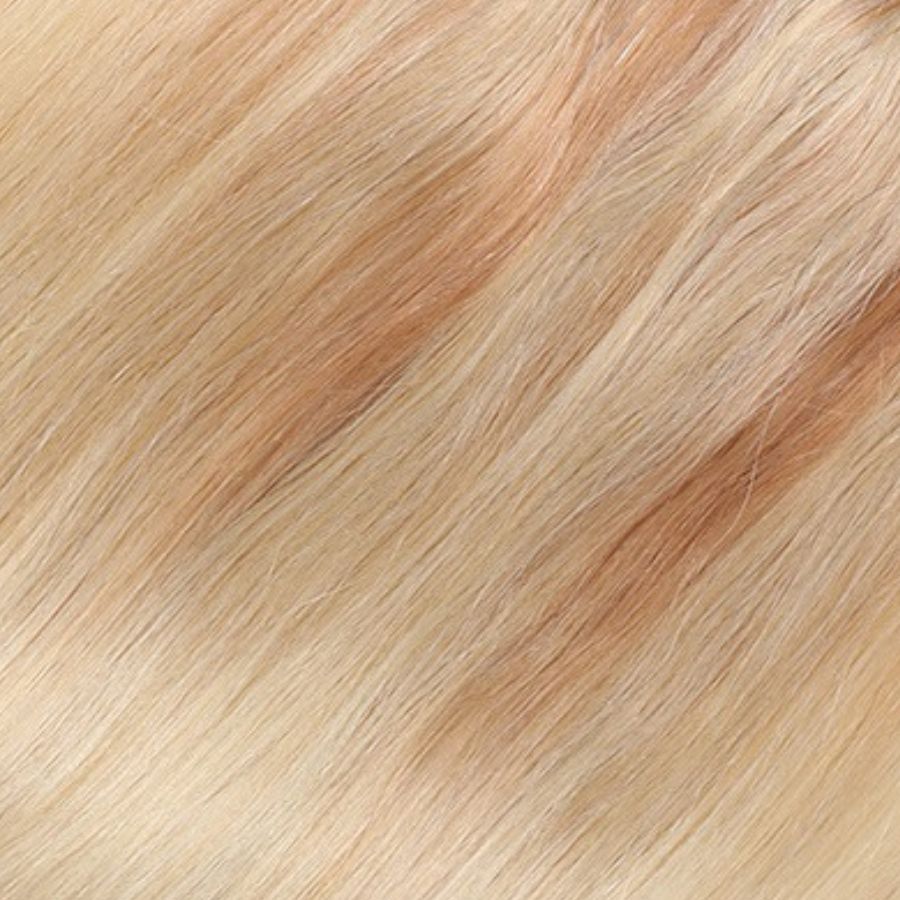
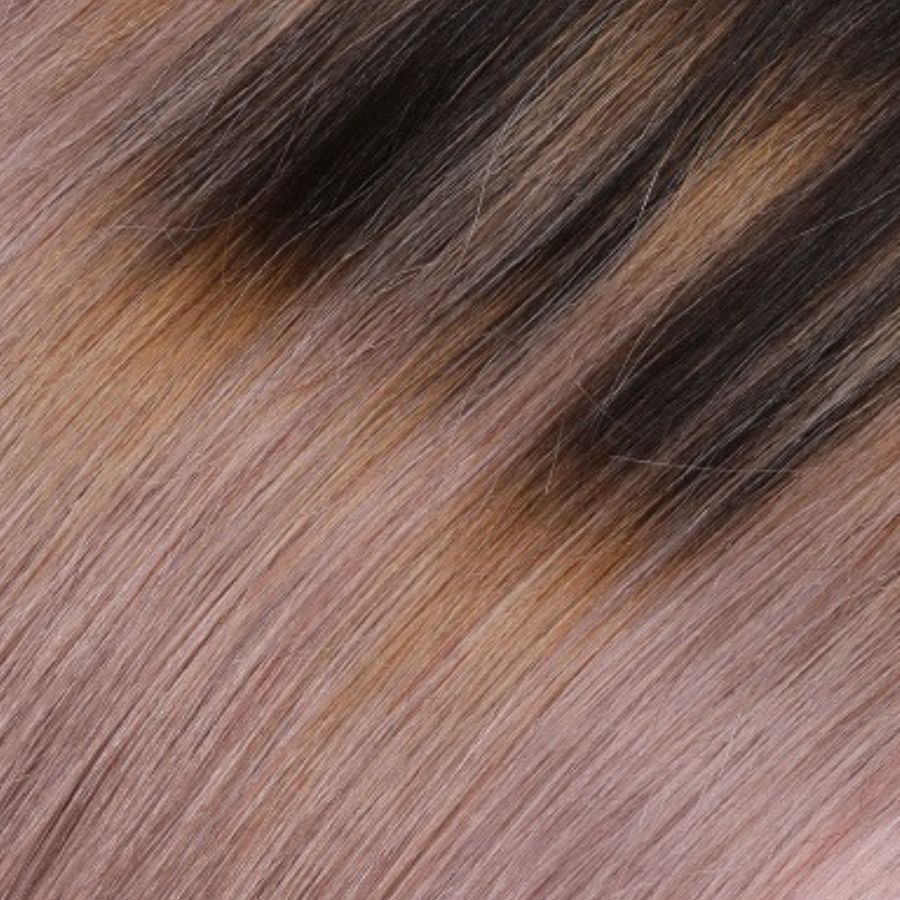
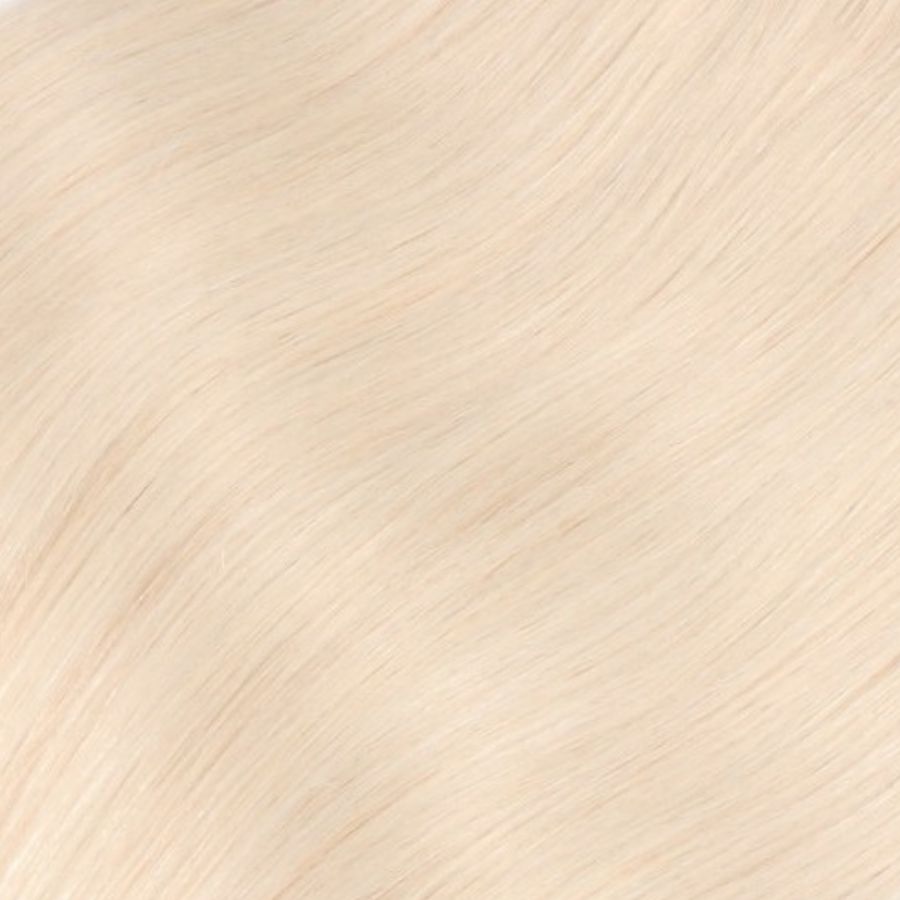
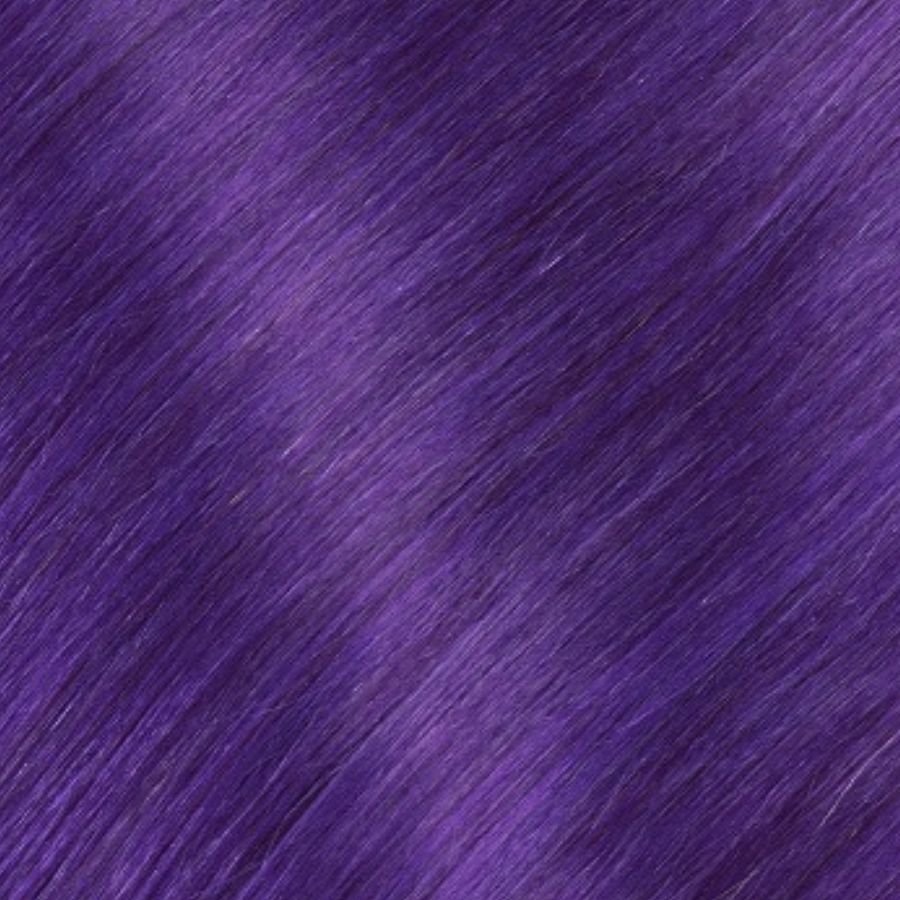
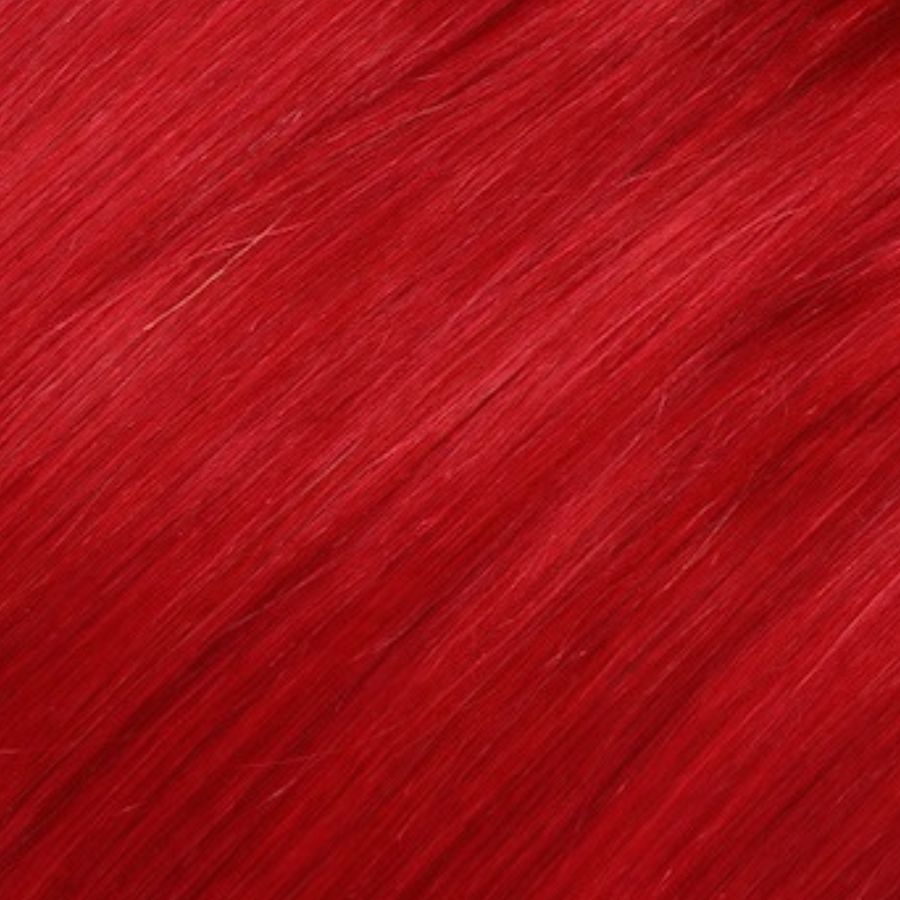
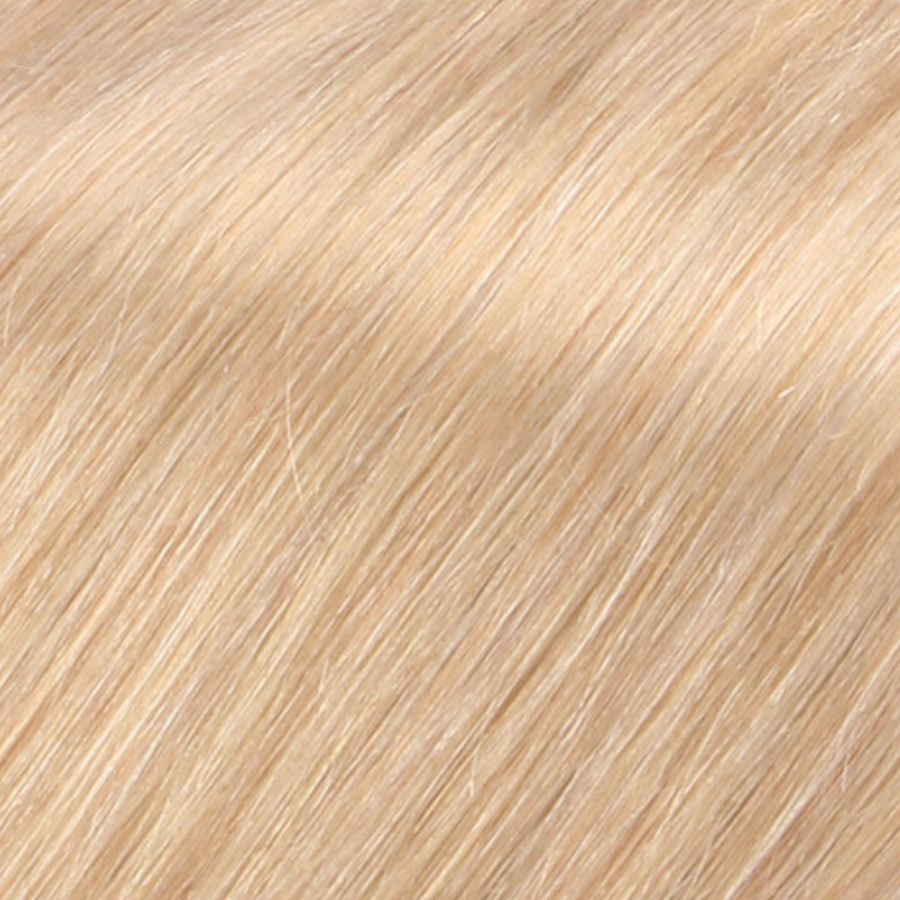
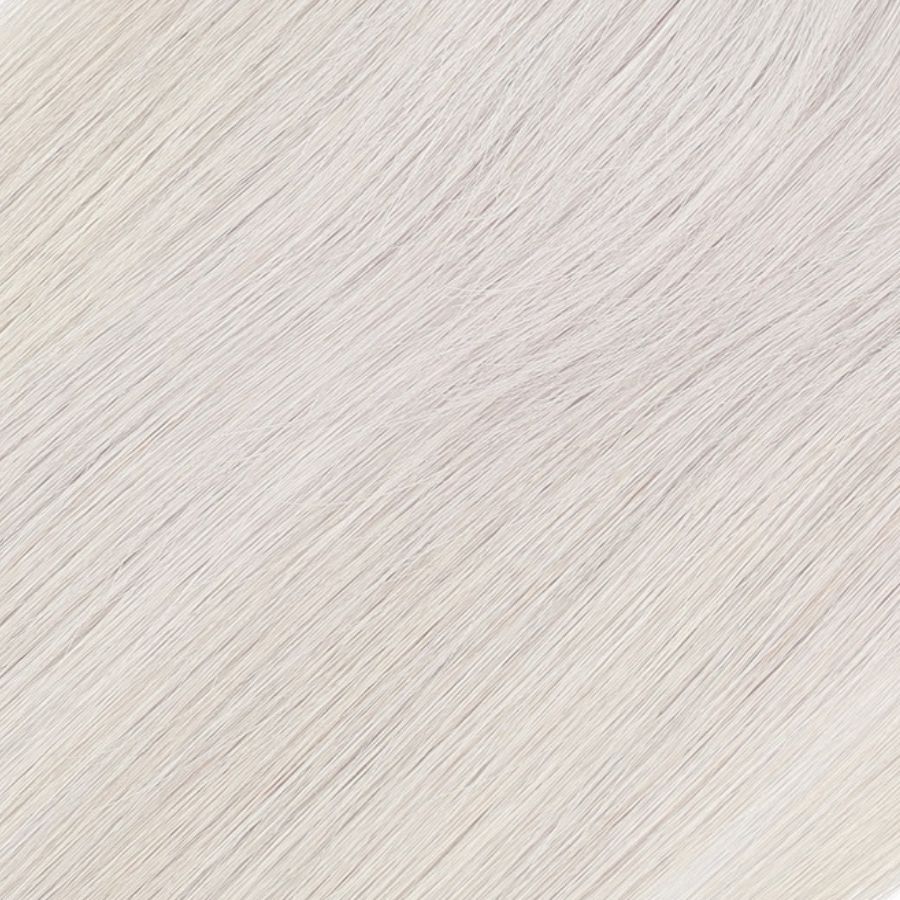
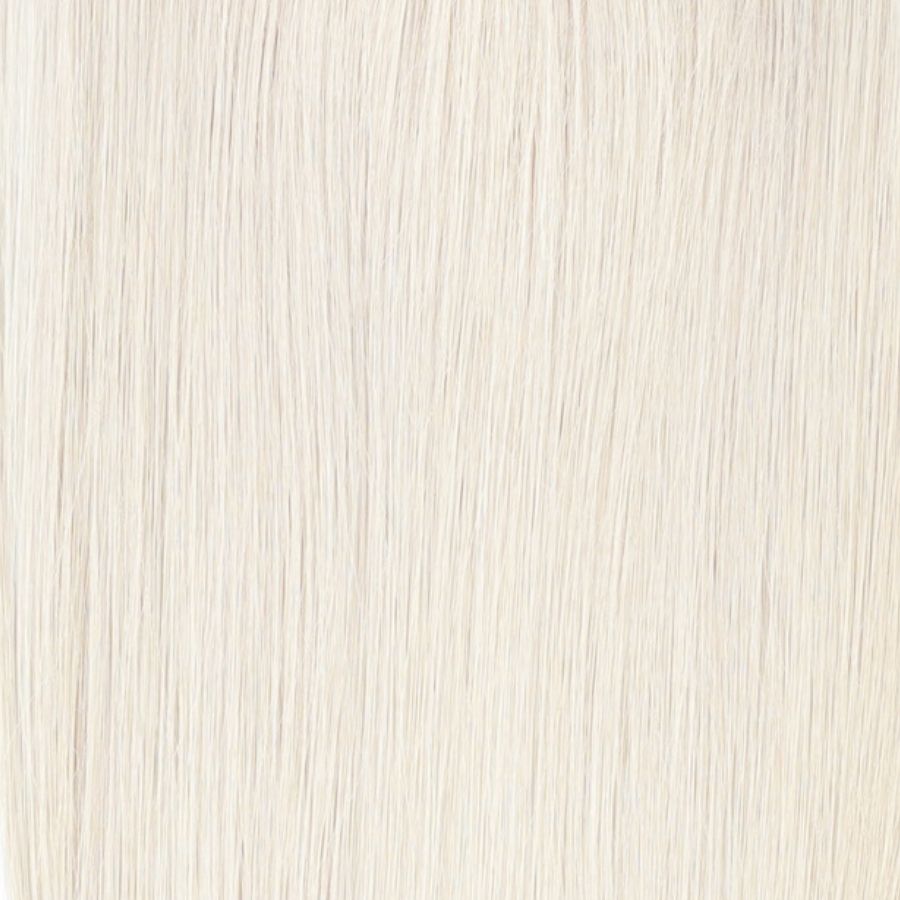
Our European hair extensions are available in a wide range of lengths and shades to match any hair type or color perfectly.
We offer a 60-day return policy for unused and unopened extensions in their original condition. Returns are easy and hassle-free.
All orders are shipped from our North American warehouses, and we offer free shipping for all purchases.
European Slavic hair is finer, softer, and more lightweight compared to other types. It blends seamlessly with natural hair and maintains its silky texture and shine over time, making it the gold standard in hair extensions.
Yes, our extensions are designed to be lightweight and comfortable for daily wear. With proper care and maintenance, they remain secure and natural-looking.
Absolutely! Our lightweight and non-damaging installation methods ensure that even those with sensitive scalps can enjoy the extensions comfortably.
Extensions should always be removed by a professional to ensure no damage to your natural hair. For tape-ins, adhesive remover is used, while other methods depend on the type of extension.

 My Store Credit
 Buy Again








 Free shipping
 European hair
 Ethically sourced hair
 Easy & free 60-day returns